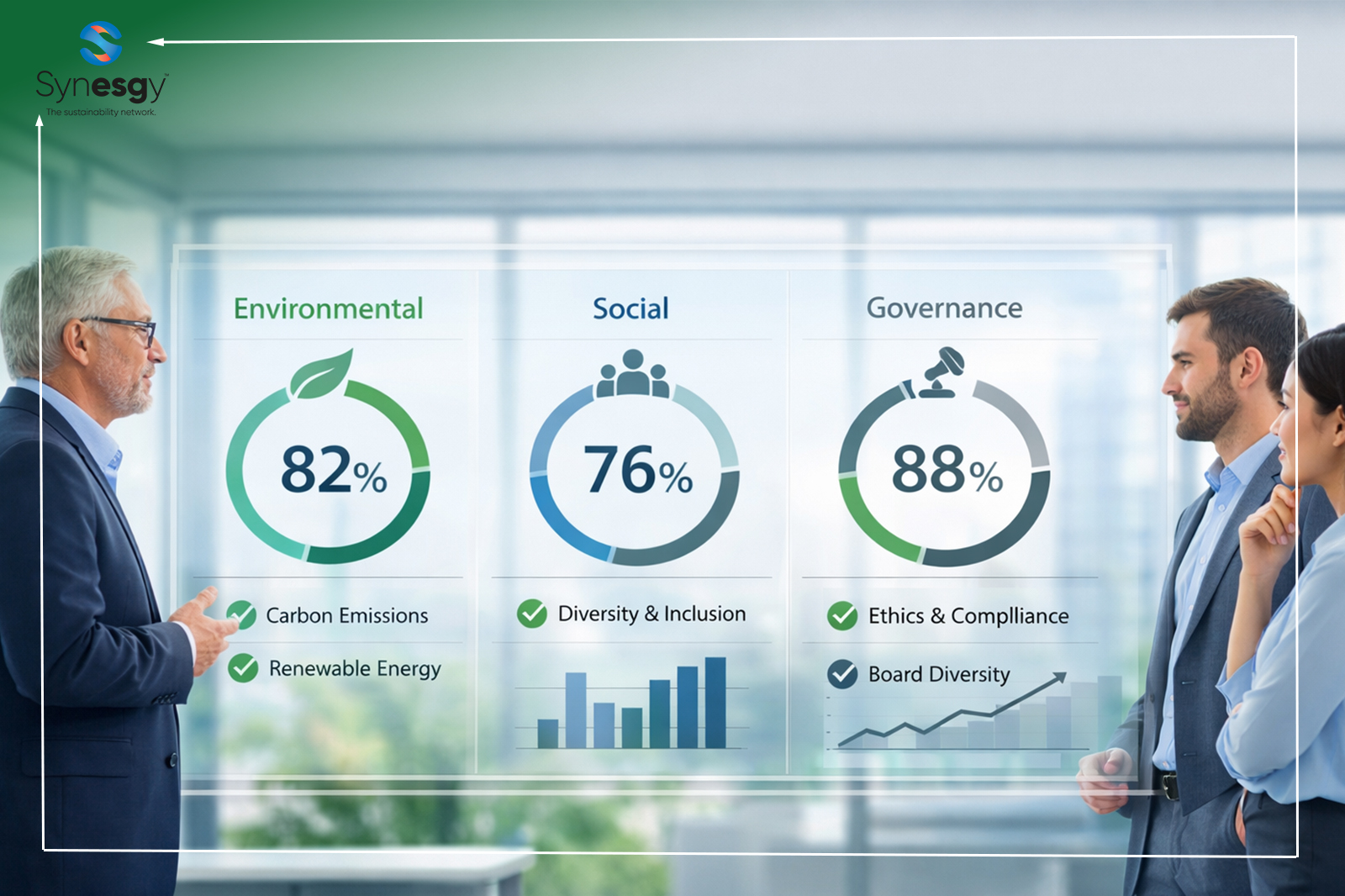
Establish written policies outlining environmental, social, and ethical standards, and ensure these guidelines are implemented and monitored consistently across all levels of the supply chain. These policies should define expectations around responsible sourcing, worker welfare, emissions reduction, waste management, and anti-corruption practices, forming a clear foundation for your broader supply chain sustainability strategy.
Embedding these standards into procurement contracts, supplier onboarding, and routine audits helps reinforce accountability and strengthens the connection between supply chain and sustainability. When suppliers understand and adhere to unified ESG requirements, companies gain greater transparency, reduce compliance risks, and build a more resilient, trustworthy, and sustainable value chain that supports long-term growth.
What Is Supply Chain Sustainability and Why Is It Important for Modern Businesses?
Supply chain sustainability refers to the integration of ESG principles across every stage of the supply chain, from sourcing raw materials to manufacturing, logistics, distribution, and end-of-life management. It ensures that a company’s operational footprint aligns with global sustainability expectations.
The Three Dimensions of Supply Chain Sustainability
Environmental:
Reducing emissions, improving energy efficiency, managing waste, conserving water, responsible sourcing, and adopting greener logistics.
Social:
Protecting worker rights, ensuring workplace safety, preventing child or forced labour, respecting community wellbeing, and supporting fair wages.
Governance:
Ensuring ethical business conduct, anti-corruption measures, transparent reporting, data accuracy, supplier accountability, and regulatory compliance.
Why It Matters
A strong alignment between supply chain management and sustainability helps companies:
- Reduce ESG and operational risks
- Strengthen regulatory compliance (CSRD, UAE sustainability mandates, GCC guidelines
- Meet customer and investor expectations
- Improve procurement decisions
- Build long-term business resilience
- Attract global partnerships by meeting supplier ESG requirements
- Enhance brand trust and corporate reputation
Sustainability is now a core competitive advantage, and companies that proactively embed ESG into their supply chain sustainability management outperform those that react only when mandated.
The Core Components of a Sustainable Supply Chain
A sustainable supply chain integrates five essential components:
- Environmental Stewardship
Focusing on reducing carbon emissions, minimizing waste, managing energy consumption, and adopting sustainable materials. This is central to green supply chain management. - Ethical Labour and Social Welfare
Upholding human rights, fair wages, safe working conditions, and equitable treatment throughout the supplier network. - Operational and Economic Efficiency
Balancing sustainability with optimized logistics, cost savings, and improved process efficiency. - Governance, Transparency, and Anti-Corruption
Preventing unethical practices, fraud, and non-compliance through clear governance structures, supplier codes, and responsible reporting. - Supplier Accountability and Oversight
Evaluating suppliers consistently using standardized ESG questionnaires and sustainability scoring systems. Platforms such as Synesgy support businesses in conducting structured supplier assessments globally
The Core Components of a Sustainable Supply Chain
Transparency and Traceability
Companies must know how, where, and by whom their products are made. Digital ESG platforms help track sustainability performance across multiple tiers of suppliers.
Ethical and Responsible Sourcing
Choosing suppliers who adhere to environmental and social standards, including responsible resource extraction and fair labor practices.
Environmental Responsibility
Actively minimizing the ecological footprint across manufacturing, transportation, waste management, and packaging.
Social Responsibility and Worker Welfare
Ensuring that all workers involved in the supply chain are treated fairly, protected, and compensated ethically
Governance and Compliance Alignment
Aligning operations with global and regional regulations, establishing supplier compliance frameworks, and maintaining transparent reporting.
The Pillars of Supply Chain Sustainability
Environmental Sustainability
Focuses on emissions reduction, low-carbon logistics, renewable energy adoption, sustainable materials, and waste reduction.
Social Sustainability
Centers around labor rights, worker well-being, safe working environments, and community impact.
Economic Sustainability
Ensures that sustainability efforts support long-term business performance, cost efficiency, and responsible growth.
Operational Sustainability
Improves efficiency, reduces downtime, increases supply chain visibility, and ensures strong risk mitigation.
Governance & Ethical Conduct
Includes transparent reporting, supplier audits, anti-corruption measures, and ethical decision-making.
What Are Common Metrics Used to Assess Environmental Impact in a Supply Chain?
To achieve a sustainable supply chain, companies must track quantifiable metrics such as:
- Carbon emissions (Scope 1, 2, and 3): Supplier emissions often constitute the largest footprint.
- Energy consumption: Efficiency in manufacturing, logistics, and warehousing.
- Waste generation and diversion: Amount of waste produced versus recycled or repurposed.
- Water usage: Monitoring water consumption in production and cooling.
- Resource efficiency and materials management**:** Sustainable materials, circular models, and reduced resource extraction.
- Environmental non-compliance incidents**:** Legal violations, fines, or breaches of environmental regulations.
Digital ESG dashboards, such as the ones supported by Synesgy, help track and evaluate these metrics consistently.
How Can Companies Effectively Measure and Report on Their Supply Chain Sustainability Performance?
ESG Self-Assessments and Supplier Questionnaires
Structured assessments help companies collect consistent ESG data from suppliers. Synesgy, for example, provides standardized ESG questionnaires aligned with global frameworks.
Standardized Reporting Frameworks (GRI, CSRD, IFRS S1/S2)
Global frameworks ensure comparable reporting and transparency.
-
ESG Scoring Tools and Dashboard
These tools help visualize risk exposure, assess supplier maturity, and identify improvement opportunities. -
Supplier Audits and Verifications
Regular audits validate ESG claims and ensure alignment with corporate standards. -
Benchmarking Against Industry Averages
Companies can identify gaps by comparing their sustainability performance with peers. -
Continuous Improvement and Annual Reporting
Sustainability reporting is not a one-time task; it requires year-over-year commitment, data updates, and improvement planning.
How Does Regulatory Pressure Influence the Adoption of ESG in Supply Chains?
Regulatory bodies worldwide are tightening sustainability and reporting requirements:
- Global Regulations- CSRD (EU): Mandatory sustainability reporting for large companies and suppliers serving European markets.- IFRS S1 & S2: Global sustainability and climate disclosure standards.
- SEC Climate Rules: Stricter climate-risk reporting for companies listed in the U.S.
- Regional Pressures
- UAE sustainability mandates aligned with Net Zero 2050 and national ESG frameworks
- Saudi Arabia and GCC ESG guidelines promoting responsible supply chains
- Mandatory sustainability reporting for regulated sectors (financial, manufacturing, large corporates)
Many companies now require suppliers to prove ESG alignment to remain part of global value chains. Procurement teams rely on digital ESG solutions—such as Synesgy—to evaluate supplier readiness and compliance.
How to Build a Sustainable Supply Chain: Step-by-Step Framework
Assess Current Sustainability Levels
Begin with a baseline ESG assessment to understand your operational footprint and supplier maturity. This establishes the foundation for your supply chain sustainability efforts.
Engage Suppliers Through ESG Assessments
Use standardized ESG questionnaires to collect transparent, comparable data from suppliers. This strengthens alignment between supply chain and sustainability expectations.
Set Clear ESG Goals and KPIs
Define measurable targets such as emissions reduction, energy efficiency, or worker safety improvements. Clear KPIs guide action and support long-term sustainability performance.
Integrate ESG into Procurement and Vendor Selection
Embed sustainability criteria into onboarding, tenders, and contracts to ensure new and existing suppliers meet required ESG standards. This drives responsible and compliant sourcing.
Adopt Technology and Digital Monitoring Platforms
Leverage digital platforms like Synesgy to track, verify, and benchmark supplier ESG performance at scale. Technology enables consistent monitoring and reliable decision-making.
Monitor Progress, Report, and Improve Continuously
Evaluate outcomes regularly through data, audits, and progress reports. Continuous improvement ensures your supply chain remains resilient, compliant, and future-ready.
What Are the Potential Risks of Neglecting ESG Factors in Supply Chain Management?
Ignoring sustainability can lead to:
- Regulatory fines and compliance issues
- Supplier shutdowns due to environmental or labour violations
- Reputational damage from unethical supplier practices
- Increased operational disruptions
- Investor withdrawal or downgraded ratings
- Loss of access to global markets requiring ESG compliance
- Higher long-term operational costs
Supply chain sustainability management protects organizations from these risks.
Best Practices for Strengthening Supply Chain Sustainability
Strengthen Supplier Collaboration
**Work closely with suppliers through clear expectations, ESG training, and shared improvement programs.
Adopt Circular Supply Chain Models
**Encourage reuse, recycling, and circular material flows to minimize waste and resource consumption.
Set Science-Based Emission Targets
**Align supply chain emission goals with SBTi or recognized global climate pathways to ensure measurable, credible carbon reduction.
Use ESG Ratings for Supplier Comparison
**Leverage digital ESG scoring tools, such as the Synesgy sustainability score, to objectively compare suppliers and identify high-performing partners.
Create Clear Supplier Codes of Conduct
Establish written policies outlining environmental, social, and ethical standards, and ensure these guidelines are implemented and monitored consistently.
How Can Small and Medium-Sized Enterprises (SMEs) Access Sustainability Resources for Their Supply Chains?
SMEs often face challenges due to limited budgets and expertise. However, they can access sustainability support through:
- Low-cost ESG self-assessment tools (e.g., Synesgy ESG assessments for SMEs)
- Government sustainability programs and workshops
- Industry association guidelines and training modules
- Supplier self-assessments to build ESG maturity gradually
- Phased adoption models to implement sustainability step by step
- Global reporting frameworks adapted for smaller businesses
SMEs can gradually build capacity without overwhelming operational budgets.
What Are Some Leading Certifications for Sustainable Supply Chains?
Companies aiming for global recognition can pursue:
- ISO 14001: Environmental management
- ISO 45001: Occupational health and safety
- ISO 26000: Social responsibility guidelines
- SA8000: Worker rights and ethical labor
- FSC / PEFC: Sustainable forestry and paper sourcing
- Fair Trade Certifications: Ethical sourcing for consumer products
- B Corp Certification: Holistic sustainability governance
- GRI & CDP: Reporting Alignment; For transparency and disclosure
These certifications help businesses demonstrate credibility and strengthen global partnerships.
Global and Regional Regulations Impacting Supply Chain Sustainability
Sustainability requirements vary across markets:
- Europe enforces mandatory climate and sustainability reporting.
- The U.S. prioritizes climate-risk disclosures and governance standards.
- UAE and GCC entities are rapidly adopting ESG frameworks aligned with national visions.
- Asia-Pacific markets focus strongly on labour rights and environmental compliance.
For multinational companies, supplier ESG alignment is necessary to meet diverse regulatory obligations, making digital sustainability platforms like Synesgy invaluable for standardized, comparable ESG data collection.
Key Takeaways
- Supply chain sustainability is now central to business resilience and competitiveness.
- ESG regulations worldwide are accelerating adoption.
- Companies must ensure transparency, ethical sourcing, and environmental responsibility.
- Structured ESG assessments and digital platforms enable scalable sustainability management
- Supplier engagement, clear KPIs, and continuous improvement are essential.
- Neglecting ESG exposes businesses to financial, legal, and reputational risks.
- SMEs can adopt sustainability in phased, budget-friendly ways.
Conclusion
Supply chain sustainability has become a strategic necessity, not a compliance checkbox. As global expectations rise, companies must demonstrate transparency, ethical sourcing, and responsible environmental practices across all tiers of their supply chain. Those that integrate ESG principles early gain clearer visibility, stronger supplier relationships, and a meaningful competitive edge.
Structured ESG assessments, reliable data, and consistent reporting enable organizations to identify risks, benchmark performance, and build more resilient operations. With regulations tightening and stakeholders demanding greater accountability, businesses that invest in sustainable supply chain management today will be best positioned to thrive in an increasingly ESG-driven global economy. Sustainability is now central to long-term value creation, and supply chains sit at the heart of that transformation.
Prepare for evolving ESG regulations and stakeholder expectations. Reach out to our team to enhance supply chain transparency and risk management.
FAQs
Q: How do I choose the right sustainability reporting framework for my organization?
A: Choose based on industry, region, regulatory requirements, and stakeholder expectations. GRI is widely adopted, CSRD is mandatory for EU-linked operations, and IFRS S1/S2 offers global comparability.
Q: Where can I find industry-specific guidelines for sustainable supply chain practices?
A: Industry associations, global bodies like GRI, ISO, and SBTi, and digital ESG platforms provide sector-specific sustainability guidance.
Q: Where can businesses find resources and frameworks to implement sustainable supply chain practices?
A: Government portals, global ESG frameworks, industry councils, and digital sustainability solutions like Synesgy offer structured support.
Q: When should companies start implementing sustainability tracking and reporting in their supply chains?
A: Immediately. Building sustainability maturity requires time, and early adoption supports compliance, risk reduction, and competitive positioning.