Responsible business practices are now a strategic priority across global markets, including the UAE. Stakeholders expect companies to measure, manage, and disclose their sustainability performance with clarity. This expectation has accelerated the adoption of SDG reporting as a structured method for communicating environmental, social, and economic progress. As a result, organisations are turning to the SDG reporting framework to align internal practices with global sustainability goals.
SDG-aligned disclosures have become a trusted benchmark for transparency. They show how companies contribute to long-term development outcomes, reduce risks, and operate responsibly. When shared openly, these disclosures strengthen credibility and make it easier for investors, regulators, and customers to assess a company’s real-world impact.
What is SDG Reporting?
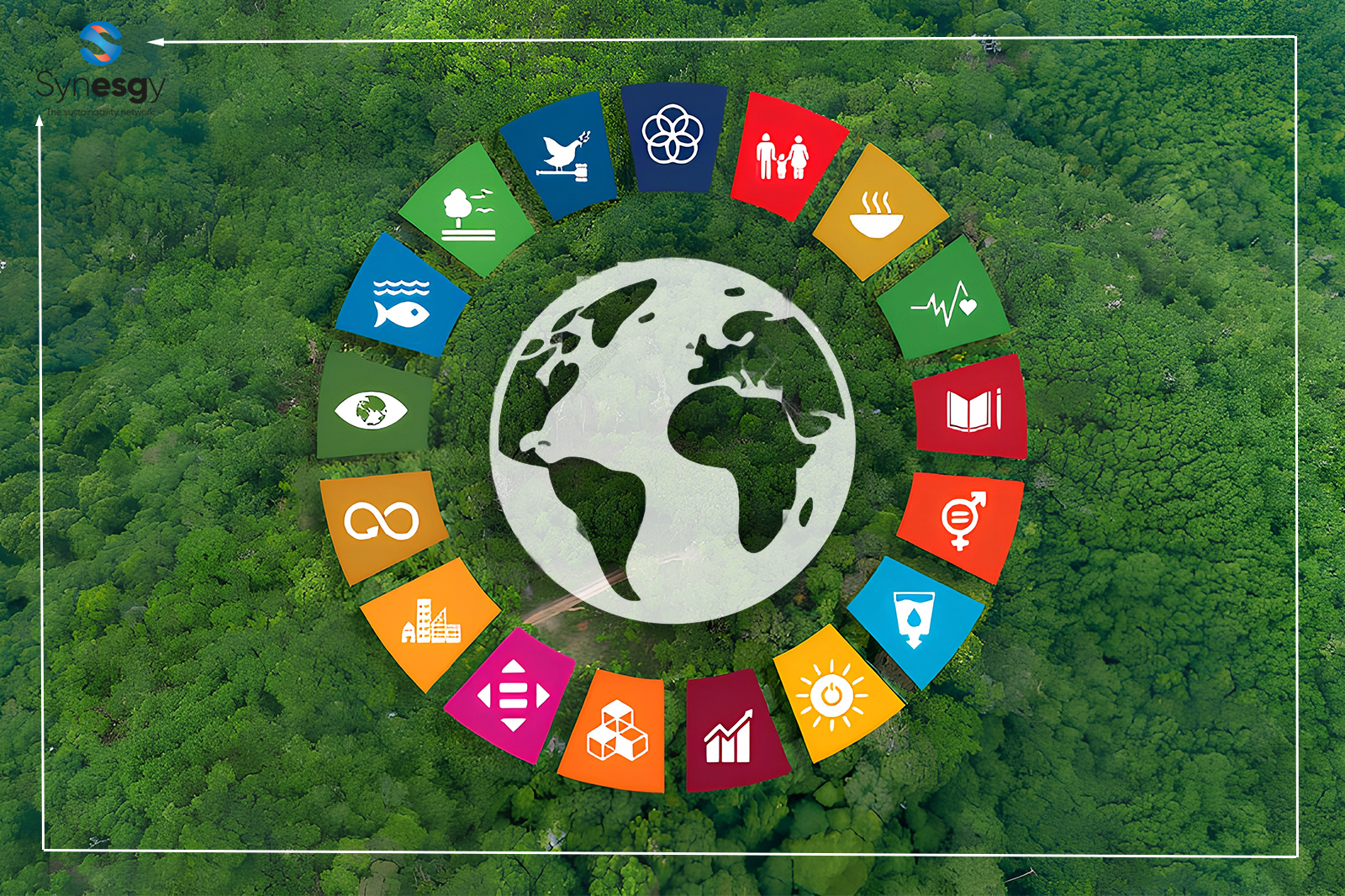
SDG reporting refers to the process of mapping a company’s sustainability initiatives against the United Nations Sustainable Development Goals. Its purpose is to help organisations measure the social and environmental outcomes of their actions in a structured way.
The SDG reporting requirements bring global consistency to sustainability communication. They connect corporate strategies with measurable development priorities, such as climate action, gender equality, and responsible production. Through SDG sustainability reporting, businesses can evaluate their impact, identify gaps, and present their progress to stakeholders in a transparent and standardised format.
Most importantly, SDG reporting transforms broad sustainability claims into quantifiable performance insights. This strengthens trust and gives stakeholders clear evidence of positive change.
Why SDG Reporting Matters for Corporate Transparency
SDG reporting has become essential for transparent communication because it brings clarity to a company’s sustainability performance. It creates visibility into actions, results, and future commitments.
Public disclosure under recognised SDG reporting standards allows stakeholders to understand how a business manages environmental and social responsibilities. Investors use this information to assess long-term stability. Customers rely on it to choose responsible brands. Regulators refer to it while evaluating compliance readiness.
Moreover, SDG ESG reporting discourages greenwashing. Since companies must present measurable outcomes, the reporting process promotes honesty and reduces the likelihood of vague claims or misleading statements.
How SDG Reporting Strengthens Corporate Accountability
A strong SDG reporting framework enhances accountability across the entire organisation. It does this by setting measurable targets and indicators that hold departments and leadership responsible for achieving sustainability milestones.
Leadership teams must review performance regularly and explain both achievements and shortfalls. This encourages responsible decision-making and ensures that sustainability commitments stay aligned with actual outcomes.
The presence of clear SDG-linked targets nurtures a culture where teams understand their contribution to long term goals. Accountability becomes integrated into everyday operations, improving overall corporate discipline and governance.
Key SDG Areas Relevant for Corporate Reporting
Climate Action and Environmental Stewardship
Companies increasingly report on emissions reduction, energy efficiency, and waste management. These areas demonstrate how businesses manage their environmental footprint and contribute to climate resilience.
Decent Work and Economic Growth
This includes worker welfare, occupational safety, fair employment practices, and opportunities for economic mobility. Reporting in this area reflects commitment to inclusive and ethical growth.
Responsible Consumption and Production
SDG reporting in this area covers sustainable sourcing, resource efficiency, and circular economy initiatives. It shows how companies minimise waste and encourage responsible consumption patterns.
Gender Equality and Reduced Inequalities
Reporting often highlights diversity programs, equal opportunity policies, leadership representation, and inclusion initiatives. These areas help demonstrate how companies address social equity.
Industry Innovation and Infrastructure
This includes investments in clean technologies, resilient infrastructure, and sustainable operational upgrades. Reporting on innovation reflects a business’s long-term competitiveness and resource efficiency.
Benefits of SDG Reporting for Businesses
-
Strengthens brand reputation by demonstrating a genuine commitment to sustainability and responsible practices.
-
Builds customer trust by providing transparent, measurable evidence of environmental and social impact.
-
Improves investor confidence because SDG reporting guidelines highlight reduced risk and stronger long-term planning.
-
Supports better ESG rating performance by aligning disclosures with recognised SDG reporting standards.
-
Helps attract funding and strategic partnerships due to clearer sustainability metrics and accountability.
-
Enhances compliance readiness by aligning internal processes with global sustainability expectations.
-
Provides a structured sustainability roadmap that guides long-term decision-making and resource allocation.
How SDG Reporting Supports Stakeholder Trust
Transparency strengthens relationships. SDG reporting communicates corporate impact openly, using evidence-based data that stakeholders can authenticate.
By presenting measurable progress rather than broad promises, companies reinforce their credibility. Clear alignment with global development priorities, such as the SDGs, reassures stakeholders that sustainability efforts are meaningful and strategic.
Trust grows when businesses show a consistent commitment to responsible performance and continuous improvement.
The Link Between SDG Reporting and ESG Performance
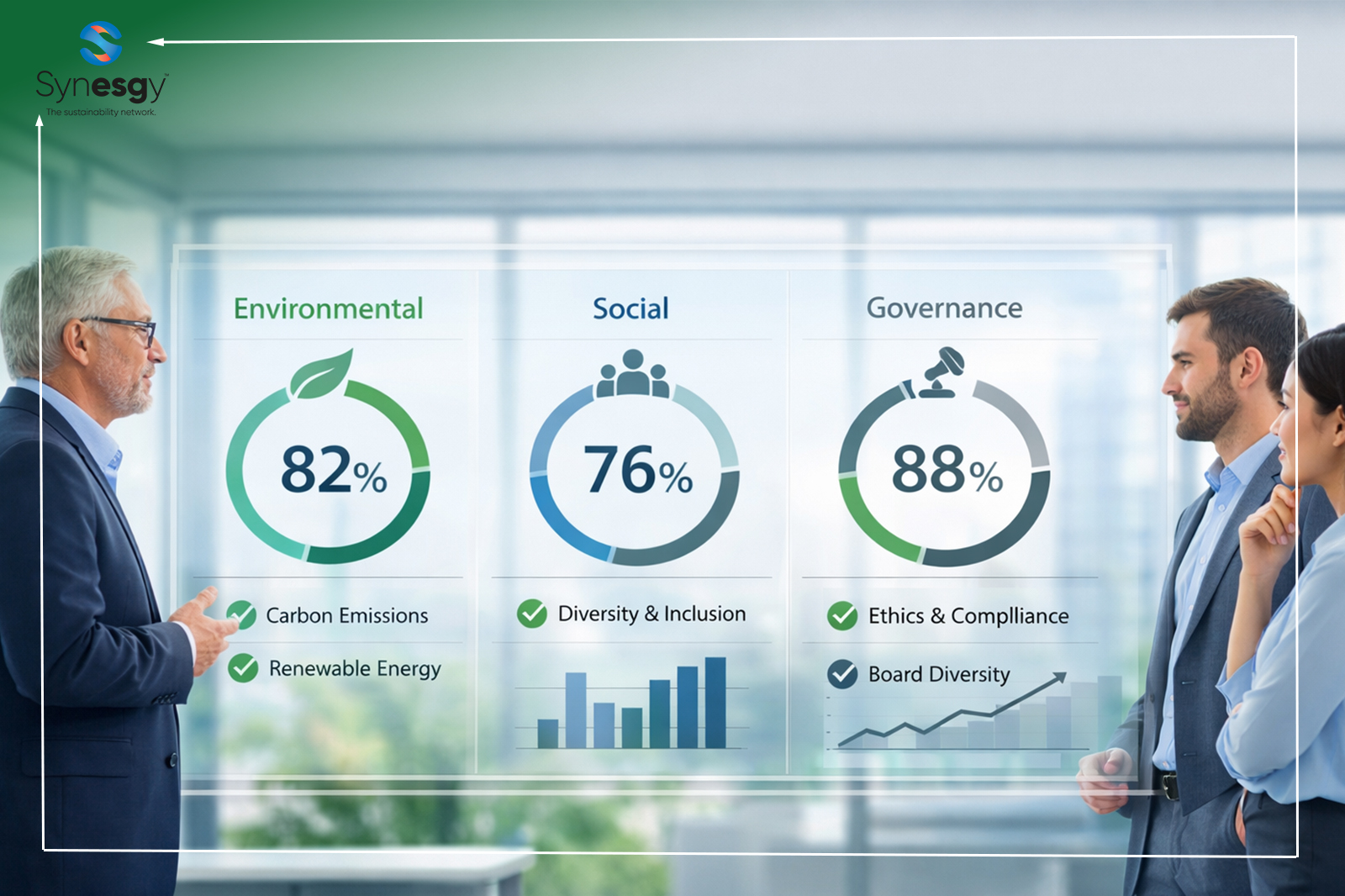
SDG reporting and ESG reporting work together but focus on different aspects. The SDGs provide a structured global vision for sustainable development. ESG metrics focus on a company’s environmental, social, and governance performance at the operational level.
When integrated, SDG impact reporting and ESG metrics offer a complete view of both impact and performance. This integration strengthens disclosures, improves comparability, and supports more credible sustainability narratives. Investors and regulators benefit from this combined perspective because it shows both intention and measurable action.
Steps to Build an Effective SDG Reporting Framework
- Identify relevant SDGs based on sector and operations
Companies should begin by mapping SDGs that are most aligned with their industry. For example, manufacturing firms may prioritise climate action, while service providers may focus on decent work and innovation.
- Set measurable targets and indicators
Clear KPIs allow teams to track progress realistically. These indicators should be specific, time-bound, and directly tied to operational activities.
- Collect structured data across departments
Accurate data is the foundation of SDG sustainability reporting. Companies need coordinated data collection systems that gather information from HR, operations, procurement, finance, and environmental teams.
- Evaluate progress and highlight gaps
Performance reviews must highlight achievements and identify areas needing improvement. Honest evaluation strengthens accountability.
- Publish transparent and accessible reports
Reports should follow recognised SDG reporting standards such as GRI SDG reporting. This improves credibility and ensures consistency.
- Regularly update goals based on performance
SDG goals are long-term. Companies should revisit targets annually to stay aligned with changing market, regulatory, and environmental conditions.
Challenges Companies Face in SDG Reporting
• Difficulty selecting SDGs that accurately reflect core operations, industry impact, and long-term sustainability priorities.
• Limited internal data availability, which leads to gaps or inconsistencies in SDG sustainability reporting.
• Variations in data formats, metrics, and reporting practices across departments that complicate consolidation.
• Lack of cross-functional alignment, causing delays in data collection, validation, and decision-making.
• Inconsistent global SDG reporting guidelines that require interpretation and adaptation for local business contexts.
• Limited expertise or tools to structure reports according to recognised SDG reporting standards.
• Challenges integrating supplier and value chain data, which is essential for complete SDG impact reporting.
Best Practices for Transparent and Accountable SDG Reporting
-
Follow recognised SDG reporting standards such as GRI SDG reporting and integrated reporting frameworks to ensure consistency and global comparability.
-
Align sustainability data with measurable KPIs so stakeholders can track performance clearly across environmental, social, and governance areas.
-
Disclose both achievements and challenges to present an honest, balanced sustainability narrative that builds long-term credibility.
-
Engage suppliers, contractors, and value chain partners because accurate SDG sustainability reporting requires complete upstream and downstream visibility.
-
Maintain structured internal data systems to improve accuracy, reduce reporting errors, and support reliable SDG impact reporting.
-
Use external assurance or independent verification to validate reported information and strengthen stakeholder confidence.
-
Leverage platforms like Synesgy to standardise assessments, streamline data collection, and improve the overall quality of SDG ESG reporting.
Key Takeaways
-
SDG reporting provides a structured way for companies to measure and disclose sustainability performance aligned with global development goals.
-
It improves corporate transparency by giving stakeholders clear, verifiable data on environmental, social, and economic impact.
-
SDG reporting strengthens accountability through measurable targets, performance indicators, and leadership responsibility for outcomes.
-
Key reporting areas include climate action, decent work, responsible consumption, gender equality, and sustainable innovation.
-
Businesses benefit through stronger stakeholder trust, improved ESG ratings, better compliance readiness, and clearer long-term sustainability planning.
-
SDG reporting supports more credible communication and reduces greenwashing risks through evidence-based disclosures.
-
Platforms like Synesgy help companies follow recognised SDG reporting guidelines and streamline data collection, evaluation, and reporting.
Conclusion
SDG reporting has become essential for transparent and responsible business leadership. Companies that adopt structured and honest reporting practices build stronger stakeholder trust and position themselves as credible contributors to sustainable development.
Clear SDG disclosures reinforce accountability and support long-term strategic growth. As organisations across the UAE shift toward advanced sustainability expectations, SDG reporting will continue to play an important role in shaping responsible business conduct.
Move from intent to measurable impact. Partner with Synesgy to translate SDG commitments into transparent reporting frameworks that meet evolving UAE and global sustainability expectations.
For more insights:
Phone: +971 4 406 9900
E-mail: info.me@crif.com
FAQs
Q: What is SDG reporting?
A: It is the process of measuring and disclosing how a company aligns with the UN Sustainable Development Goals. Synesgy makes this easier by providing a structured and standardised SDG assessment.
Q: Why is SDG reporting important for businesses?
A: It strengthens transparency and shows stakeholders clear evidence of environmental and social performance. Synesgy helps companies present this data in a verified and trusted format.
Q: Is SDG reporting mandatory?
A: It is voluntary in most regions but increasingly expected by investors and regulators. Synesgy prepares companies for these rising disclosure requirements through globally aligned assessments.
Q: How do companies select which SDGs to report on?
A: They choose goals most relevant to their industry and operational impact. Synesgy guides this selection by highlighting the SDGs that matter most for each business model.
Q: What data do companies need for SDG reporting?
A: Companies need information on emissions, workforce practices, resource use, and governance. Synesgy simplifies data gathering through a unified and evidence-based questionnaire.
Q: What is the difference between SDG reporting and ESG reporting?
A: SDG reporting focuses on global development impact, while ESG reporting assesses operational performance in environmental, social, and governance areas.
Q: How often should SDG reports be published?
A: Most companies report annually, with updates shared as needed. Synesgy supports continuous monitoring so performance stays accurate throughout the year.
Q: Which frameworks support SDG reporting?
A: GRI, SDG reporting, and UN Global Compact principles are commonly used. Synesgy aligns with these standards to ensure globally recognised disclosure.
Q: How can small businesses start SDG reporting?
A: They can begin by choosing a few relevant SDGs, collecting basic data, and preparing structured disclosures.
Q: How does SDG reporting reduce greenwashing risks?
A: It requires evidence-based data, measurable outcomes, and transparent communication that prevents misleading sustainability claims.