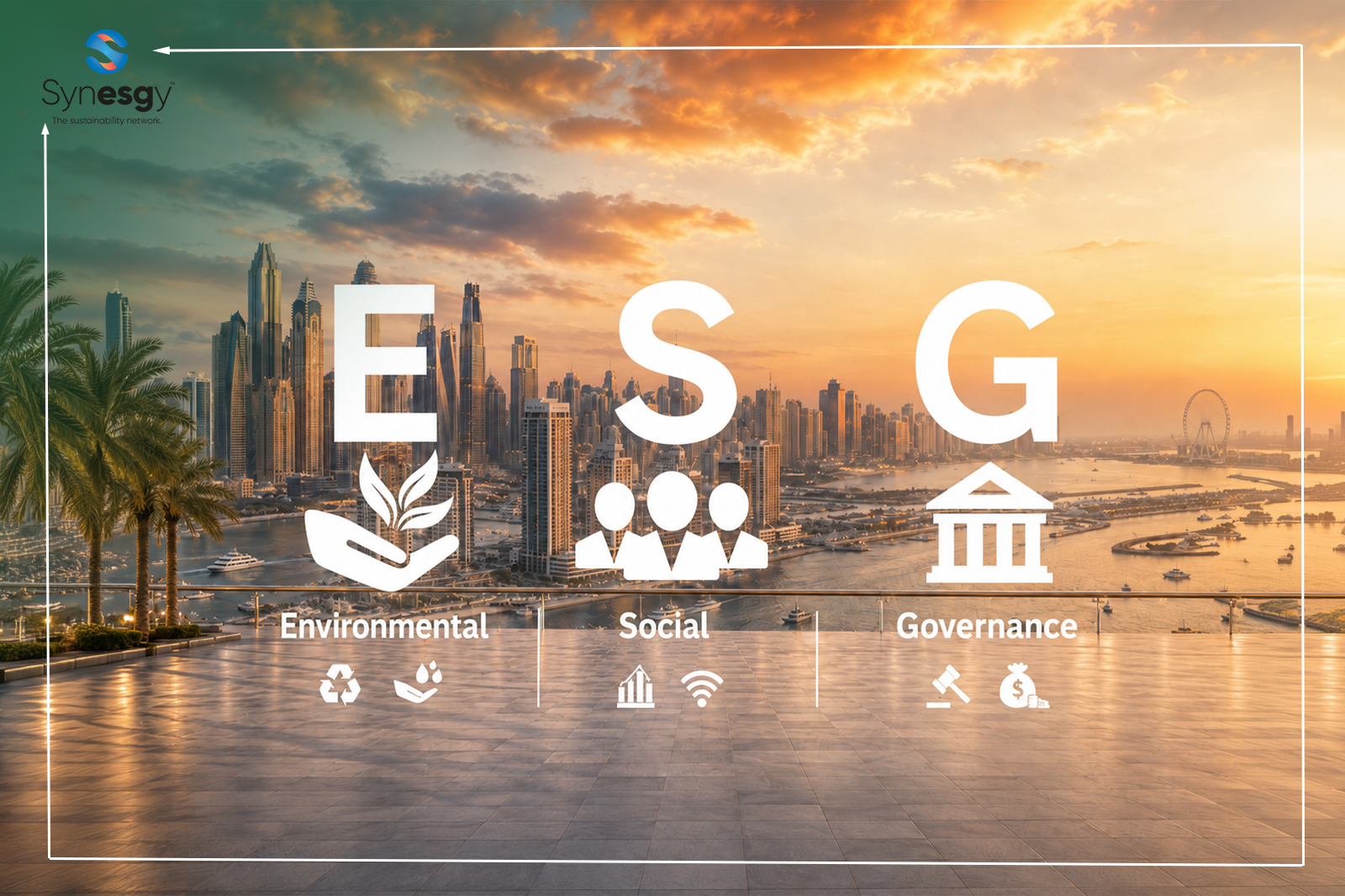
Before committing capital, investors are asking a new set of questions: Is this company sustainable? Is it well-governed? Can it manage long-term risks? In the UAE, these questions are answered through ESG rating, which provides a structured view of a company’s environmental, social, and governance performance. This shift is redefining how investment decisions are made.
As this shift continues, ESG ratings are becoming a core part of investment due diligence rather than a secondary consideration. Investors use them to benchmark companies, uncover potential risks early, and ensure alignment with long-term sustainability objectives. In the UAE, where regulatory expectations and market maturity are both increasing, ESG-led evaluation is rapidly moving from a differentiator to a standard requirement in capital allocation decisions.
How Investors Use ESG Ratings to Evaluate UAE Companies
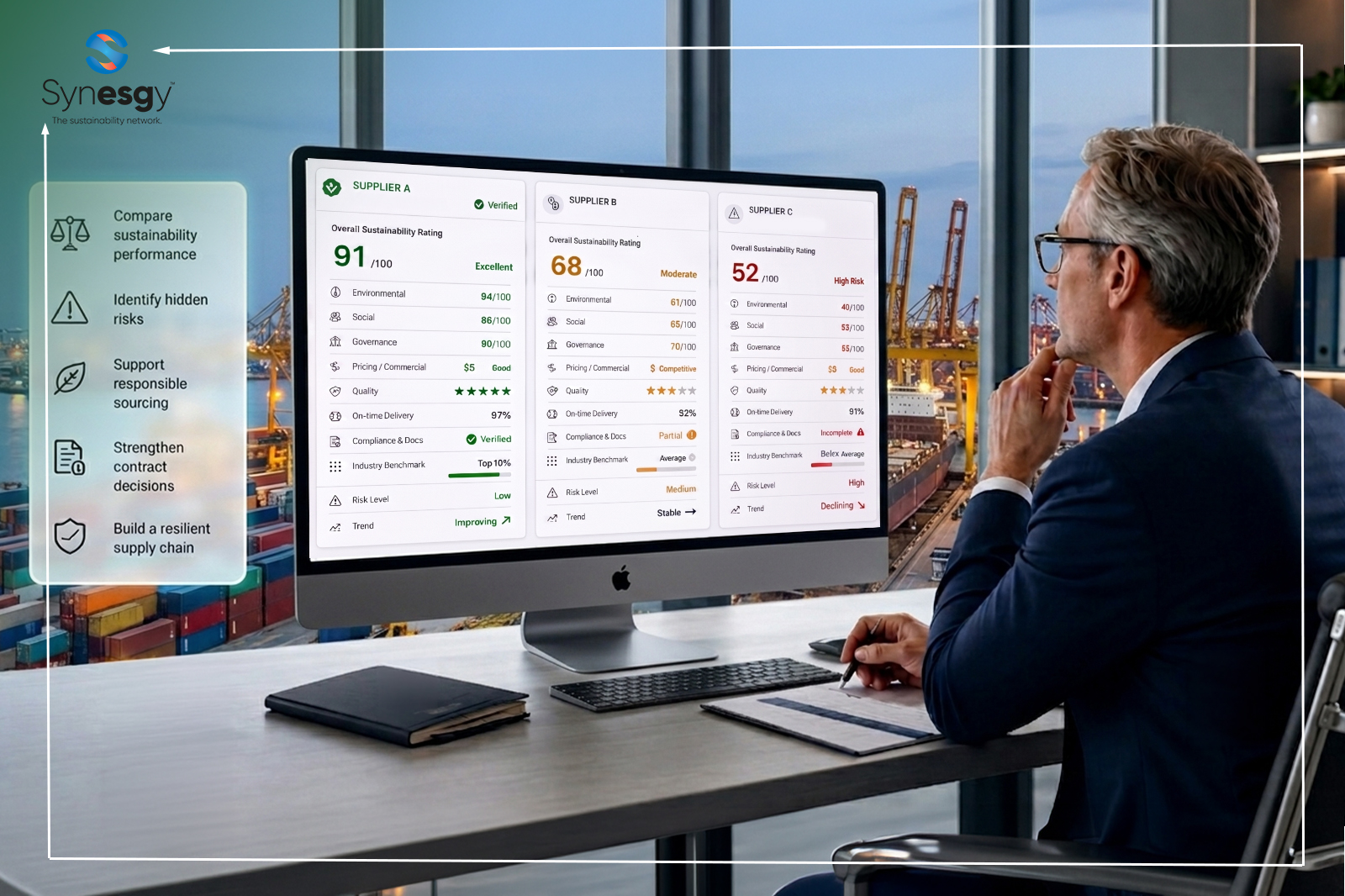
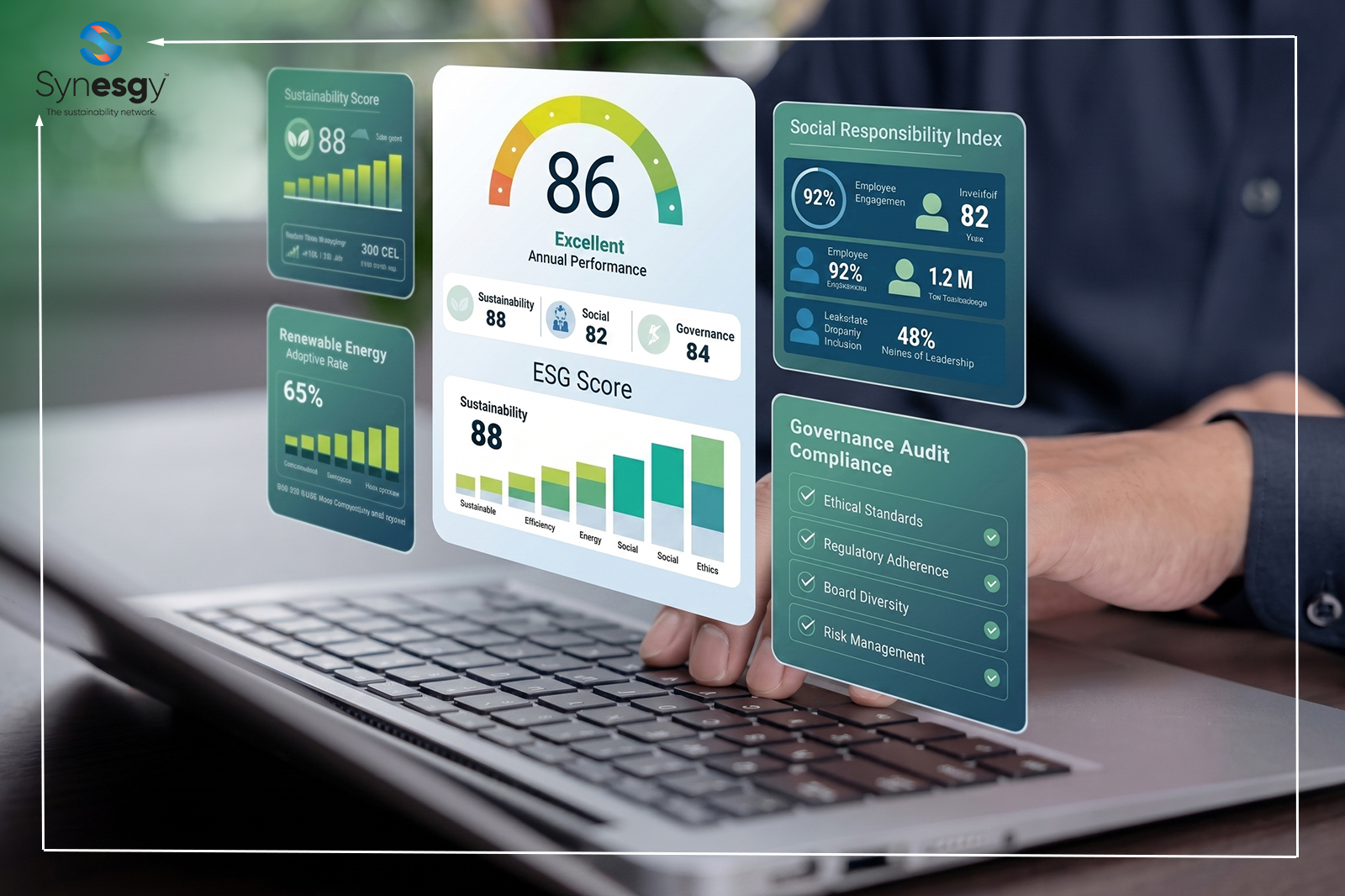
Investors rely on a corporate ESG rating as a standardized way to measure a company’s environmental, social, and governance performance. These ratings are typically provided by specialized ESG rating agencies UAE and global firms that analyze publicly available data, company disclosures, and third-party sources.
What Investors Look For in ESG Ratings
Before committing capital, investors focus on several ESG rating criteria, including:
-
Environmental impact (carbon footprint, energy efficiency)
-
Social responsibility (labor practices, employee welfare)
-
Governance quality (board structure, compliance, ethics)
A strong ESG rating signals that a company is well-managed, transparent, and capable of handling long-term risks. This makes it more attractive for investors seeking stable and responsible investment opportunities.
ESG as a Decision-Making Framework
Rather than treating ESG as a secondary metric, investors now integrate it directly into their ESG investment strategy. It acts as a filter that helps shortlist companies aligned with sustainability goals while eliminating high-risk or non-compliant entities.
How ESG Scores Influence Investment Risk and Returns
One of the primary reasons investors use ESG ratings is to assess risk. Traditional financial analysis often overlooks non-financial risks such as environmental liabilities, regulatory penalties, or reputational damage.
ESG and Risk Assessment
Through ESG risk assessment UAE, investors can identify:
-
Exposure to environmental risks like climate change
-
Social risks such as labor disputes or supply chain issues
-
Governance risks including fraud, corruption, or weak leadership
Companies with poor ESG scores are more likely to face operational disruptions, legal challenges, or reputational harm, all of which can negatively impact returns.
ESG as a Risk Mitigation Tool
By incorporating ESG into their evaluation process, investors can:
-
Reduce portfolio volatility
-
Avoid high-risk sectors or companies
-
Improve long-term financial stability
This is why ESG is increasingly seen not just as a sustainability metric but as a core risk management tool.
How ESG Ratings Affect Company Valuation and Capital Allocation
Beyond risk, ESG scores also play a significant role in determining how investors allocate capital.
ESG and Company Valuation
Companies with strong ESG performance often enjoy:
-
Higher investor confidence
-
Better market reputation
-
Stronger long-term growth prospects
As a result, they may receive higher valuations compared to peers with weaker ESG profiles.
Access to Capital
A high ESG rating can improve a company’s ability to:
-
Attract institutional investors
-
Secure funding at lower costs
-
Build long-term investor relationships
Investors use ESG insights to decide where to allocate funds, making it a key driver in capital allocation decisions.
What Investors Analyze Before Investing
Before making investment decisions, investors conduct detailed ESG due diligence as part of their evaluation process.
-
ESG Screening Process
The ESG screening process involves:
-
Reviewing sustainability reports and disclosures
-
Evaluating compliance with ESG governance standards
-
Assessing operational and reputational risks
This process helps investors filter out companies that do not meet their sustainability or ethical criteria.
-
Identifying Hidden Risks
ESG analysis often uncovers risks that are not visible in financial statements, such as:
-
Poor governance practices
-
Environmental violations
-
Weak social policies
By identifying these issues early, investors can avoid costly mistakes and make more informed decisions.
What Investors Expect from Companies
The UAE has rapidly emerged as a leader in sustainability and ESG adoption in the region. Government initiatives and regulatory frameworks are encouraging companies to align with global ESG standards.
Growing Importance of ESG in the UAE
Factors driving ESG adoption include:
-
Increased regulatory requirements
-
Rising investor awareness
-
Alignment with global sustainability goals
Companies operating in the UAE are expected to maintain transparency and demonstrate strong ESG performance to remain competitive.
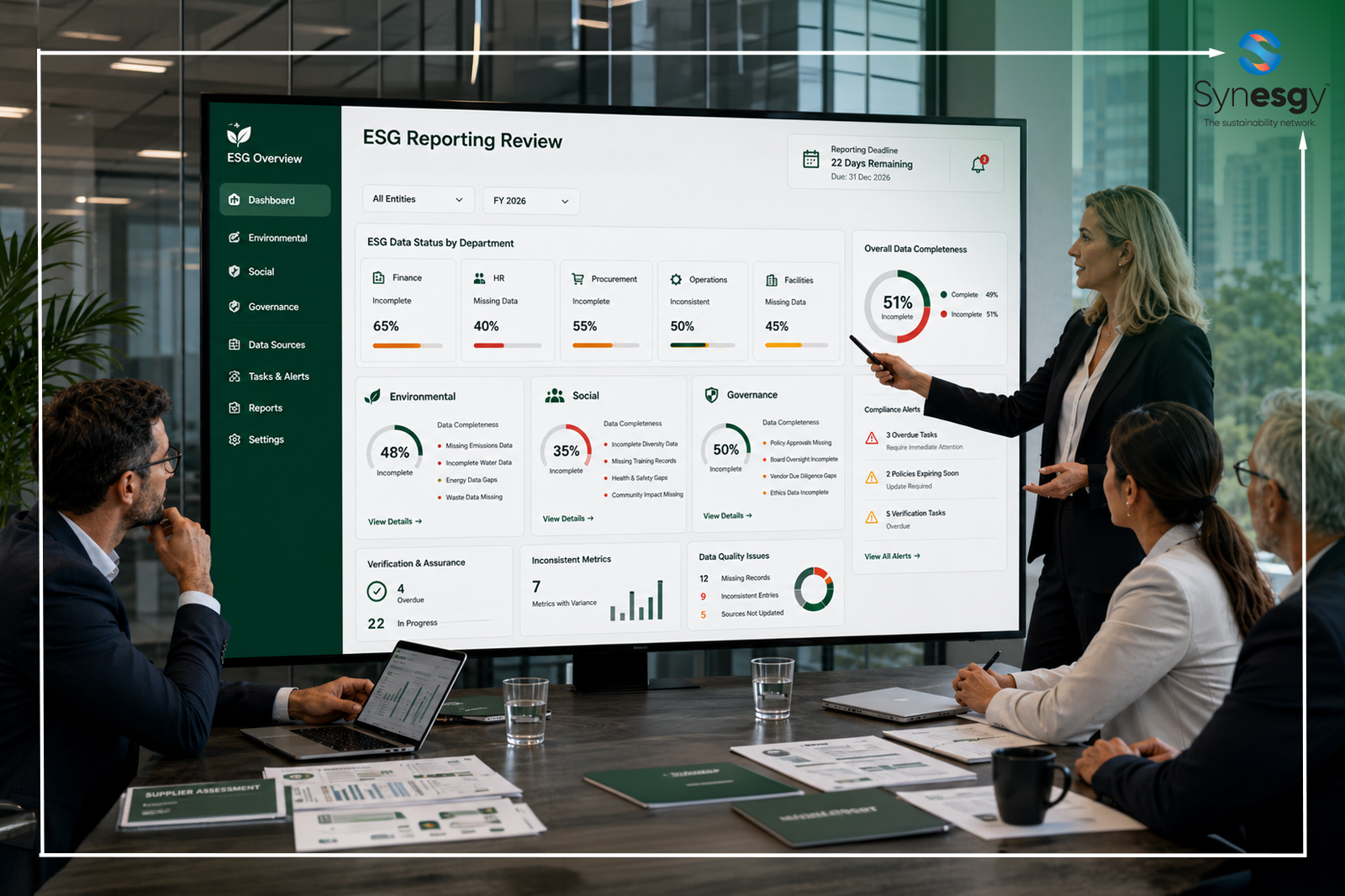
ESG Reporting and Compliance
Investors in the UAE expect companies to:
-
Provide clear and consistent ESG disclosures
-
Align with international frameworks
-
Demonstrate measurable sustainability outcomes
This makes ESG sustainability a critical component of corporate strategy and investor relations.
Key Takeaways
-
ESG rating is now a core factor in investment decision-making
-
Investors use ESG to assess risk, valuation, and compliance
-
Strong ESG sustainability improves investor confidence and access to capital
-
ESG due diligence helps identify hidden risks before investing
-
In the UAE, ESG is becoming a mandatory strategic priority\
Conclusion
As ESG continues to reshape the global investment landscape, its importance in the UAE is only set to grow. Investors are no longer just looking for profitable companies, they are looking for responsible, transparent, and sustainable businesses.
Organizations that prioritize ESG sustainability and maintain strong ESG ratings will not only attract more capital but also position themselves for long-term success in an increasingly competitive market.
Want to strengthen your ESG profile and attract the right investors? Start by evaluating your ESG performance and aligning with globally recognized standards to stay competitive in the UAE market.
FAQs
Q: How do ESG scores affect investment decisions in the UAE?
A: ESG scores help investors evaluate a company’s risk exposure, governance quality, and sustainability practices. In the UAE, strong ESG performance signals compliance and long-term stability, making companies more attractive for investment.
Q: Why are ESG ratings critical for modern investors?
A: ESG ratings provide insights into non-financial risks that impact long-term returns. They help investors identify sustainable businesses and avoid companies with potential regulatory or reputational issues.
Q: What ESG metrics do investors focus on most?
A: Key metrics include carbon emissions, energy efficiency, labor practices, governance structure, and regulatory compliance. These indicators reflect a company’s ability to manage ESG risks effectively.
Q: How do investors verify ESG data accuracy?
A: Investors rely on third-party rating agencies, audited reports, and standardized frameworks to validate ESG data and ensure transparency.
Q: Do higher ESG scores always mean better investments?
A: Not necessarily. While high ESG scores indicate strong sustainability practices, investors also consider financial performance and market conditions.
Q: What is the role of ESG ratings in portfolio management?
A: ESG ratings help investors diversify portfolios, manage risk exposure, and align investments with sustainability goals for long-term growth.