The UAE plastics and chemical manufacturing sector is at an inflection point. The country has committed to Net Zero by 2050, launched the UAE Green Agenda 2030, and is actively restructuring how industrial companies operate, procure, and report. For plastics manufacturers, this is not a distant policy conversation. It is already reshaping supplier requirements, government tender eligibility, and investor confidence.
ESG compliance is not yet a hard legal mandate for every manufacturer in the UAE. But the window between voluntary and compulsory is closing faster than most factory floors are prepared for. Companies that start building their ESG framework now will have a measurable advantage when the regulatory hammer drops. Those who wait will be scrambling to catch up while competitors are already winning contracts on the back of their certifications.
This guide covers everything a plastics or chemical manufacturer in the UAE needs to know about improving ESG performance across energy, waste, and supply chain, and how to position the business for what is coming next.
Why ESG Matters for Plastics Manufacturers in the UAE
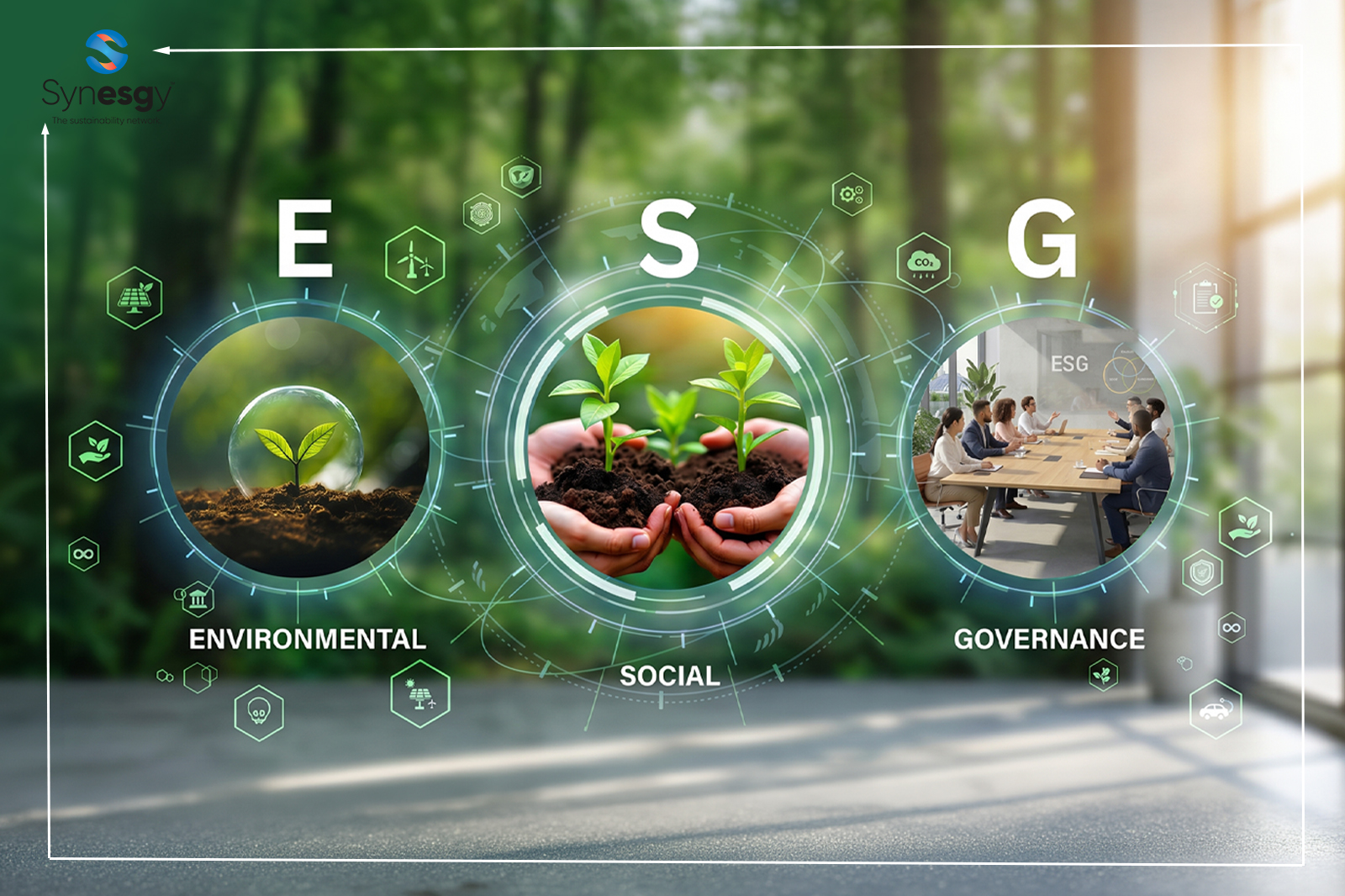
ESG stands for Environmental, Social, and Governance. For plastics manufacturers, the environmental pillar carries the most immediate weight, but all three dimensions are increasingly being scrutinised by regulators, buyers, and financiers across the Gulf.
Here is what is driving the urgency right now:
-
Regulatory alignment with national goals. The UAE Green Agenda 2030 sets concrete targets for reducing carbon emissions, improving resource efficiency, and transitioning toward a green economy. Industrial manufacturers, particularly those in energy-intensive sectors like plastics and chemicals, sit directly in the crosshairs of these targets.
-
Government procurement requirements. UAE federal and emirate-level procurement frameworks are progressively incorporating sustainability criteria. Manufacturers without documented ESG practices are already finding themselves deprioritised in certain tender evaluations. This trend will only intensify.
-
Buyer pressure from multinationals. Global brands sourcing from UAE manufacturers are applying their own ESG scorecards to suppliers. If your factory cannot demonstrate sustainability credentials, you risk losing contracts to competitors who can.
-
Access to capital. Banks and investors in the region are tightening ESG criteria for financing. A manufacturer with no sustainability reporting framework will face higher borrowing costs and fewer financing options over the next three to five years.
The plastics industry in particular faces scrutiny because of its direct association with single-use plastic waste, carbon-intensive production processes, and complex supply chains. That means the pressure on this sector is higher than average, and the timeline to act is shorter.
The Current State of Plastic Waste in the UAE and GCC
The UAE generates significant volumes of plastic waste annually, with a substantial portion originating from industrial and manufacturing sources. Across the GCC, plastic waste management remains one of the most pressing environmental challenges, and governments are responding with policy action.
The UAE has already introduced restrictions on single-use plastics, with phased bans on items like plastic bags, cups, and cutlery implemented across the emirates. For manufacturers, this signals a clear policy direction. The products you make, the waste your facility generates, and the way you manage both are coming under increasing regulatory attention.
Across the broader GCC region, countries are aligning their environmental policies with global frameworks like the Paris Agreement and the UN Sustainable Development Goals. For plastics manufacturers operating in or exporting from the UAE, this creates both a compliance obligation and a market opportunity for those who get ahead of the curve.
The core challenge for most manufacturers is that plastic waste reduction requires systemic change, not just incremental process improvement. It means rethinking how raw materials are sourced, how production scrap is handled, how products are designed, and how end-of-life materials are managed. That is a significant undertaking, but it is also where the biggest ESG gains are available.
Plastic manufacturers in the UAE are facing growing pressure from regulators, buyers, and investors. Synesgy helps manufacturers identify ESG gaps, improve sustainability data, and prepare for certification readiness before requirements become harder to meet.
Phone: +971 4 406 9900
E-mail: info.me@crif.com
Energy Efficiency Strategies for Plastics Factories in the UAE
Energy consumption is one of the largest contributors to the carbon footprint of a plastics manufacturing facility. Injection molding, extrusion, blow molding, and other core processes are energy-intensive by nature. Reducing energy use is therefore one of the fastest ways to improve your ESG performance and reduce operating costs simultaneously.
How to Conduct an Energy Audit for a Plastics Factory in the UAE
An energy audit is the essential first step. It gives you a baseline understanding of where energy is being consumed, where it is being wasted, and where the highest-impact improvements can be made.
A structured energy audit for a plastics factory should cover:
-
Machine-level energy consumption across all production equipment
-
Compressed air system efficiency one of the most commonly wasted energy sources in plastics facilities
-
Heating, ventilation, and cooling systems in production and warehouse areas
-
Lighting across the facility
-
Idle time and standby consumption patterns
Once you have baseline data, you can set measurable targets and build a credible energy reduction plan that feeds directly into your ESG reporting.
Renewable Energy Options for Industrial Facilities in Dubai and Abu Dhabi
The UAE has world-class solar infrastructure and one of the lowest costs of solar energy globally. Industrial facilities in Dubai can access clean energy through DEWA’s programmes. At the same time, Abu Dhabi manufacturers can engage with ADNOC and the clean energy frameworks under the Abu Dhabi Department of Energy.
Installing rooftop solar, participating in green tariff schemes, or procuring renewable energy certificates are all viable pathways for plastics manufacturers looking to reduce their scope 2 emissions. These steps are increasingly expected as baseline ESG practice, not optional extras.
Beyond renewables, smart manufacturing technologies, including IoT-based energy monitoring systems, allow factories to track consumption in real time, identify anomalies, and automate energy-saving actions across production shifts.
Plastic Waste Management and Circular Economy Practices
Waste is where plastics manufacturers face the most reputational and regulatory exposure. It is also where the circular economy model offers the clearest framework for turning a liability into a competitive strength.
How to Implement a Circular Economy Model in Plastics Manufacturing
The circular economy is built on the principle of keeping materials in use for as long as possible. For a plastics manufacturer, this translates into a set of practical operational changes:
-
Step 1: Conduct a waste audit. Identify and quantify every waste stream in your facility. This includes production scrap, off-spec material, packaging waste, and any materials going to landfill or incineration.
-
Step 2: Reduce waste at source. Work with production teams to minimise scrap generation through better process control, tooling maintenance, and material handling procedures.
-
Step 3: Implement closed-loop recycling. Regrind and reuse production scrap internally wherever technically feasible. For materials that cannot be reused in-house, establish formal recycling partnerships with certified UAE recyclers.
-
Step 4: Redesign for recyclability. Work upstream with your product development teams to design products that are easier to recycle at end of life. This is increasingly demanded by global buyers and will be a regulatory requirement in key export markets.
-
Step 5: Document everything. Your waste reduction journey is only valuable to your ESG performance if it is measured, tracked, and reported. Build the data infrastructure to support this from day one.
Plastic Recycling Infrastructure and Partnerships Available in the UAE
The UAE recycling ecosystem is growing. Emirates like Dubai and Abu Dhabi have invested in industrial recycling infrastructure, and there are certified recycling operators available for plastics manufacturers to partner with. Engaging with this infrastructure not only diverts waste from landfill but also creates documented evidence of your circular economy commitments, which is exactly what ESG auditors and procurement teams want to see.
Building a Sustainable Supply Chain for Plastics Manufacturers
Scope 3 emissions, those that occur upstream and downstream in your supply chain rather than within your own facility, often account for the majority of a plastics manufacturer’s total carbon footprint. Addressing your supply chain is therefore not optional if you are serious about ESG performance.
How to Evaluate Suppliers Using an ESG Scorecard
A supplier ESG scorecard allows you to assess and compare the sustainability performance of your raw material and service providers. Key criteria to include:
-
Environmental certifications held by the supplier
-
Carbon emissions data and reduction targets
-
Waste management practices and recycling rates
-
Labour standards and health and safety records
-
Governance policies, including anti-corruption and transparency
Introducing ESG criteria into your procurement process sends a clear signal to your supply base and demonstrates to your own customers and auditors that your sustainability commitment extends beyond your factory gate.
Meeting Government Tender and Procurement Sustainability Requirements
UAE government procurement frameworks are incorporating sustainability requirements at an accelerating pace. For manufacturers supplying to federal entities, Abu Dhabi government bodies, or Dubai government-linked organisations, documented ESG practices are moving from a nice-to-have to a prerequisite.
ADNOC, as one of the largest industrial buyers in the region, has been advancing its sustainability agenda and extending expectations to its supplier ecosystem. If your business is part of the ADNOC value chain, preparing your ESG documentation now is a direct commercial priority, not just a compliance exercise.
ESG Certifications for Plastics Manufacturers in the UAE
This is the section most relevant to CSOs and senior decision makers who are actively evaluating what certification pathway makes sense for their business. The honest answer is that no single certification is universally mandated today. But the direction of travel is clear, and the manufacturers who pursue certification now will be positioned significantly better in 12 to 24 months when requirements tighten.
ISO 14001 Certification Process for Factories in the UAE
ISO 14001 is the internationally recognised standard for Environmental Management Systems. It provides a structured framework for identifying environmental impacts, setting reduction targets, and building continuous improvement into your operations.
For a plastics manufacturer in the UAE, ISO 14001 is the most credible and widely recognised starting point. The certification process typically involves:
-
Gap analysis against the standard requirements
-
Development or formalisation of your Environmental Management System
-
Internal audit to verify readiness
-
Third-party certification audit by an accredited body
-
Certification award and ongoing surveillance audits
The timeline for most manufacturing facilities ranges from six to twelve months, depending on the current state of your environmental management practices. Costs vary based on facility size and complexity, but the return on investment in terms of tender eligibility, customer confidence, and operational savings typically justifies the outlay within the first year.
How ESG Certification Helps Win Government Contracts in the UAE
UAE government entities and large state-linked enterprises are increasingly scoring suppliers on sustainability performance as part of procurement evaluations. ISO 14001 certification provides documented, third-party-verified evidence that your facility meets internationally recognised environmental standards. In competitive tender situations, this can be the differentiating factor.
Beyond direct contract wins, certification also reduces the time and cost associated with responding to customer ESG questionnaires, supplier audits, and sustainability due diligence requests. It replaces ad hoc documentation with a structured, audited system that speaks for itself.
ESG Reporting and Measuring Performance
Improving ESG performance is only half the equation. Communicating that performance through credible, structured reporting is what makes it visible to regulators, customers, investors, and procurement teams.
Key metrics that plastics manufacturers should track and report include:
-
Total energy consumption and energy intensity per unit of production
-
Renewable energy as a percentage of total energy use
-
Total greenhouse gas emissions across scope 1, 2, and 3
-
Total waste generated and waste diverted from landfill
-
Water consumption and wastewater discharge volumes
-
Percentage of suppliers assessed against ESG criteria
-
Health and safety incident rates
-
ESG training hours per employee
The GRI Standards provide the most widely used framework for sustainability reporting globally and are recognised by UAE regulatory bodies. For manufacturers producing their first ESG report, starting with a GRI-aligned disclosure, even if not a full GRI report, signals credibility and sets a foundation for more comprehensive reporting in subsequent years.
Building the internal data collection process to support reporting is the most common challenge manufacturers face. Assigning clear ownership of ESG data across departments, implementing simple tracking tools, and establishing a regular reporting cadence transforms ESG from a one-off compliance exercise into an ongoing performance management discipline.
ESG Audit Checklist for Plastics Manufacturers in the Middle East
Before pursuing formal certification, a practical internal audit helps you understand where your facility stands today and what gaps need to be addressed. Use this checklist as a starting framework:
Environmental
-
Energy consumption data available at the machine and facility levels
-
Greenhouse gas emissions calculated for scope 1 and 2 at minimum
-
Waste streams identified, quantified, and tracked
-
Water consumption monitored and discharge compliant with UAE regulations
-
Hazardous material storage and disposal procedures documented
Social
-
Health and safety management system in place
-
Incident reporting and investigation process operational
-
Worker welfare policies documented and communicated
-
Training records maintained for all relevant staff
Governance
-
Environmental policy formally approved by senior leadership
-
ESG roles and responsibilities assigned internally
-
Anti-corruption and ethics policies in place
-
Regulatory compliance status reviewed regularly
-
Board or senior management review of ESG performance at defined intervals
Supply Chain
-
Key suppliers identified and assessed for ESG risks
-
Procurement policy includes sustainability criteria
-
Supplier documentation available for audit purposes
This checklist is the first step toward a formal ESG audit. It surfaces the gaps, prioritises the work, and gives your leadership team a clear picture of the investment required to reach certification readiness.
Get Certified Before Your Competitors Do
The UAE is not moving slowly on sustainability. Net Zero 2050 is a national commitment backed by policy, investment, and institutional reform. The Green Agenda 2030 is already reshaping procurement, finance, and industrial regulation. For plastics manufacturers, the question is not whether ESG compliance will become mandatory. It is whether your business will be ready when it does.
The manufacturers who treat this moment as an opportunity rather than a future obligation are the ones who will be certified, preferred, and contracted when the requirements land. The ones who wait will face compressed timelines, higher certification costs, and the commercial cost of being excluded from tenders and supply chains while competitors who moved early take the business.
Synesgy works with manufacturers across the UAE and GCC to assess ESG readiness, close performance gaps, and achieve certification. If you want to understand where your facility stands today and what it will take to get certified, start with an ESG gap assessment.
The time to act is now, not when the regulation arrives.
For more insights:
Phone: +971 4 406 9900
E-mail: info.me@crif.com
FAQs
Q: How can plastics manufacturers improve ESG performance in the UAE?
A: Start with an energy audit and waste audit to establish your baseline. Build a structured Environmental Management System aligned to ISO 14001. Extend sustainability criteria into your supply chain procurement. Track and report on key ESG metrics annually. Pursue formal certification to make your performance credible and verifiable to customers, regulators, and investors.
Q: What are the ESG requirements for manufacturers in the UAE?
A: Currently, there is no single mandatory ESG certification requirement for all manufacturers. However, the UAE Green Agenda 2030 sets national targets that industrial companies are expected to align with. ESMA environmental standards apply to certain product categories. Government tender processes increasingly require sustainability documentation. The trajectory is clearly toward mandatory disclosure and certification within the near term.
Q: How to implement the circular economy in plastics manufacturing in the Gulf?
A: Conduct a full waste audit, reduce scrap at source, implement closed-loop recycling for production waste, partner with certified UAE recyclers for materials that cannot be reused internally, and redesign products for end-of-life recyclability. Document every stage of the process to support ESG reporting and customer verification requests.
Q: What are the best energy efficiency strategies for plastics factories in the UAE?
A: Conduct an energy audit to identify the highest consumption and waste points. Optimise compressed air systems, which are among the most inefficient energy users in plastics facilities. Install real-time energy monitoring across production equipment. Explore solar energy adoption through DEWA or Abu Dhabi Department of Energy programmes. Set annual energy intensity reduction targets and track progress quarterly.
Q: Is ESG certification mandatory for manufacturers in the UAE?
A: Not yet universally. But the conditions that make certification effectively necessary are already in place. Government tender requirements, buyer ESG questionnaires, ADNOC supplier expectations, and investor due diligence processes are all creating environments where uncertified manufacturers are at a commercial disadvantage. Waiting for a legal mandate before acting means losing ground to competitors who are already certified.
Q: How long does ISO 14001 certification take for a factory in the UAE?
A: For most plastics manufacturing facilities, the process takes between six and twelve months from initial gap analysis to certification award. Facilities with stronger existing environmental management practices can move faster. The timeline depends on the scale of gaps identified, the internal resources dedicated to the process, and the readiness of documentation and systems.
Q: What metrics should plastics companies track for ESG reporting?
A: At a minimum: energy consumption and intensity, greenhouse gas emissions across scope 1 and 2, total waste generated and recycling rate, water consumption, supplier ESG assessment coverage, and health and safety incident rate. As your reporting matures, extend to scope 3 emissions, biodiversity impact, and social performance indicators.
For more insights:
Phone: +971 4 406 9900
E-mail: info.me@crif.com