Healthcare supply chains are changing. For medical device and healthcare product suppliers, the criteria by which buyers evaluate and onboard partners have expanded well beyond product quality, pricing, and delivery timelines. ESG performance is now a core part of the conversation, and in many procurement processes, it is becoming a prerequisite rather than a differentiator.
If you supply medical devices, healthcare products, or related materials to hospitals, health systems, or large distributors, understanding what an ESG assessment involves and how to prepare for one is no longer optional. The buyers you want to work with are already asking these questions. The suppliers who have credible, verified answers are the ones winning and retaining contracts.
What this article covers:
-
Why ESG assessment is becoming standard practice in healthcare procurement
-
What an ESG assessment covers across environmental, social, and governance dimensions
-
Why the social dimension carries particular weight in healthcare supply chains
-
What buyers and procurement teams actually look for when evaluating supplier ESG performance
-
How to prepare for an ESG assessment as a healthcare or medical device supplier
-
The difference between an ESG assessment and a sustainability certification
-
How Synesgy supports healthcare suppliers through the assessment process
Why ESG Assessment Is Becoming Standard in Healthcare Procurement
Healthcare is one of the most ESG-sensitive industries in the world. The reasons are structural. On the environmental side, medical manufacturing is resource-intensive. It involves significant energy consumption, complex waste streams, hazardous materials, and packaging at scale. On the social side, healthcare supply chains touch labour practices, worker safety, ethical sourcing, and ultimately patient outcomes. The governance dimension adds a layer of regulatory complexity that few other industries match.
This combination of environmental impact, social sensitivity, and regulatory scrutiny has made healthcare one of the fastest-moving sectors when it comes to ESG adoption in procurement.
Large hospitals and health systems are under growing pressure from investors, regulators, and patients to demonstrate that their supply chains reflect their values. That pressure does not stop at the procurement desk. It flows directly to suppliers. Increasingly, healthcare buyers are making ESG performance a condition of supplier onboarding, contract renewal, and long-term partnership.
For medical device and healthcare product suppliers, this means that ESG is no longer something to consider in the future. It is something buyers are asking about today. Suppliers who cannot demonstrate credible ESG performance risk being screened out before a commercial conversation even begins.
What Does an ESG Assessment Cover for Healthcare Suppliers?
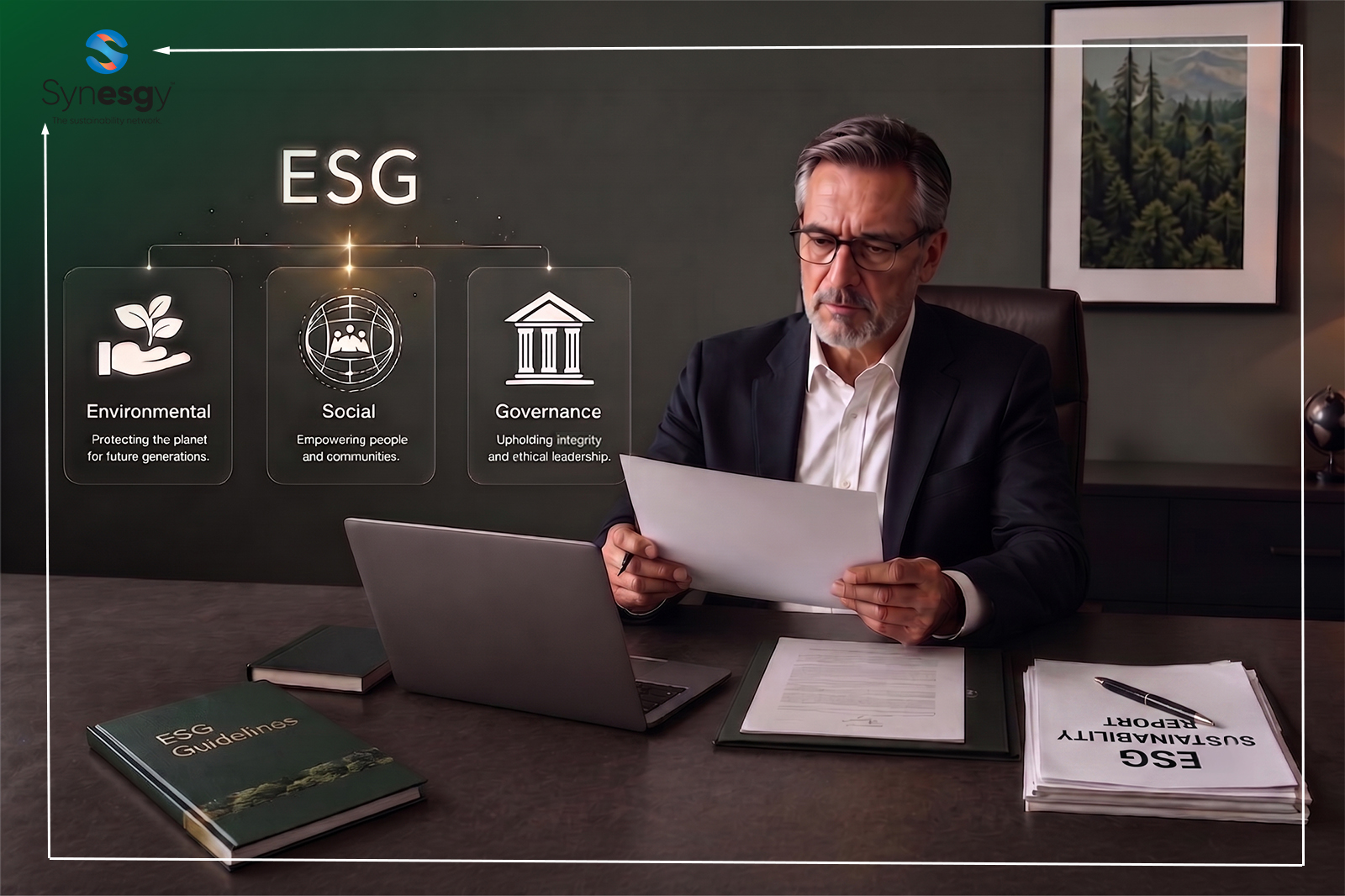
An ESG assessment evaluates a business’s performance across three dimensions: environmental, social, and governance. For healthcare and medical device suppliers, each dimension has specific areas of focus that reflect the nature of the industry.
Environmental performance looks at how a supplier manages its operational impact on the natural environment. For medical device manufacturers and healthcare product suppliers, the areas most commonly assessed include:
-
Energy consumption and efficiency across manufacturing operations
-
Greenhouse gas emissions and progress toward reduction targets
-
Waste management, particularly the disposal of medical and hazardous materials
-
Packaging sustainability and the use of single-use materials
-
Chemical compliance and the management of restricted or hazardous substances
-
Water usage in manufacturing processes
Social performance examines how a supplier treats people, both within its own operations and across its supply chain. In healthcare, this dimension carries particular weight and is covered in more detail in the next section. Key areas include:
-
Labour practices, worker safety, and fair employment conditions
-
Ethical sourcing of raw materials, including conflict mineral compliance
-
Product safety and quality management systems
-
Human rights standards across the supply chain
-
Community impact of manufacturing and operational activities
Governance performance covers how a business is structured, managed, and held accountable. For healthcare suppliers, governance indicators typically include:
-
Corporate governance structures and the role of board oversight
-
Anti-corruption and anti-bribery policies and their implementation
-
Regulatory compliance history and track record
-
Transparency and quality of ESG disclosure and reporting
-
Data privacy and cybersecurity governance are particularly relevant for connected medical devices
A critical point for suppliers to understand is that ESG assessments evaluate all three dimensions simultaneously. A strong environmental record does not compensate for weak governance. Gaps in the social dimension will affect overall eligibility regardless of performance elsewhere. Buyers use the full picture, not individual highlights, to make procurement decisions.
The Social Dimension: Why It Carries Extra Weight in Healthcare
In most industries, the environmental dimension of ESG receives the most attention. In healthcare, the social dimension is equally scrutinised and in many procurement processes carries more weight.
The reason is straightforward. Medical device suppliers sit at the intersection of manufacturing and patient outcomes. The labour practices, quality management systems, and ethical sourcing standards of a supplier are not just operational considerations. They have a direct bearing on the safety and reliability of the products that reach patients.
Buyers understand this. A supplier with poor labour practices in its manufacturing operations is a quality risk as well as a reputational one. A supplier that cannot demonstrate ethical sourcing of raw materials, particularly the minerals used in medical electronics, introduces supply chain risk that healthcare buyers are not willing to absorb.
The social dimension also extends to the supplier’s own supply chain. Healthcare procurement teams are increasingly looking beyond tier one suppliers to understand labour and sourcing practices further up the chain. Suppliers who can demonstrate visibility and accountability across their supply network are at a significant advantage.
Worker safety is another area of scrutiny. Manufacturing environments for medical devices and healthcare products carry specific occupational health and safety risks. Buyers want to see that suppliers have robust safety management systems in place, not just policies on paper but evidence of implementation, training, and incident management.
For suppliers, the practical implication is clear. Investing in social performance is not just the right thing to do. It is a commercial imperative in healthcare procurement.
What Healthcare Buyers and Procurement Teams Look For
Understanding the buyer perspective is essential for suppliers preparing for an ESG assessment. Procurement teams at hospitals, health systems, and large distributors are not conducting ESG assessments out of curiosity. They are using them to make decisions.
Here is what sophisticated healthcare buyers are actually looking for:
-
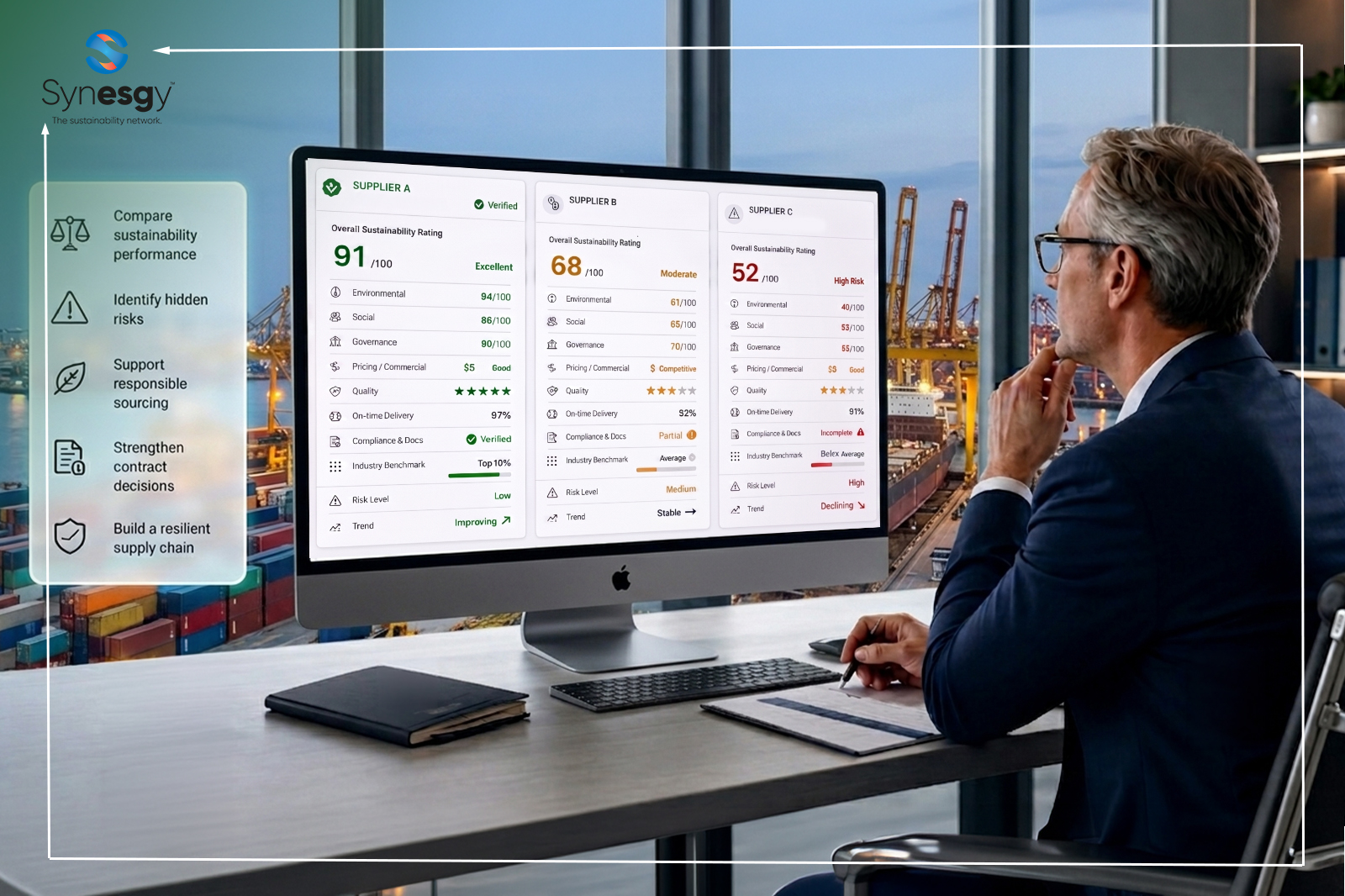
Verified scores over self-reported data. Self-assessment has limited credibility in institutional procurement. Buyers want ESG scores that have been produced through a structured, third-party verified process. A verified score signals that the data behind it has been independently validated, not just claimed.
-
Consistency across all three dimensions. Buyers are not looking for excellence in one area and gaps in others. A supplier that scores strongly on environmental performance but has weak governance indicators raises questions. Balanced performance across all three dimensions is a stronger signal than high scores in one.
-
Evidence, not just assertions. ESG assessments are evidence-based processes. Buyers expect suppliers to back their scores with documentation, whether that is energy data, safety records, sourcing policies, or compliance certificates. Suppliers who can produce this documentation quickly and comprehensively stand out in procurement evaluations.
-
Improvement over time. A single ESG score is a snapshot. Buyers who conduct ongoing supplier evaluations are looking for trend data. Suppliers who can demonstrate that their ESG performance is improving year on year are more attractive partners than those with static or declining scores, even if the absolute score is similar.
-
Minimum thresholds for onboarding. Many healthcare buyers have introduced minimum ESG score requirements for new supplier onboarding. Suppliers below a defined threshold may be excluded from the process regardless of their commercial proposition. Knowing where you stand before entering a procurement process is therefore a significant advantage.
How to Prepare for an ESG Assessment as a Healthcare Supplier
Preparation is what separates suppliers who perform well in ESG assessments from those who are caught off guard. The process does not have to be complex, but it does require deliberate effort across four areas.
Establish Your Baseline
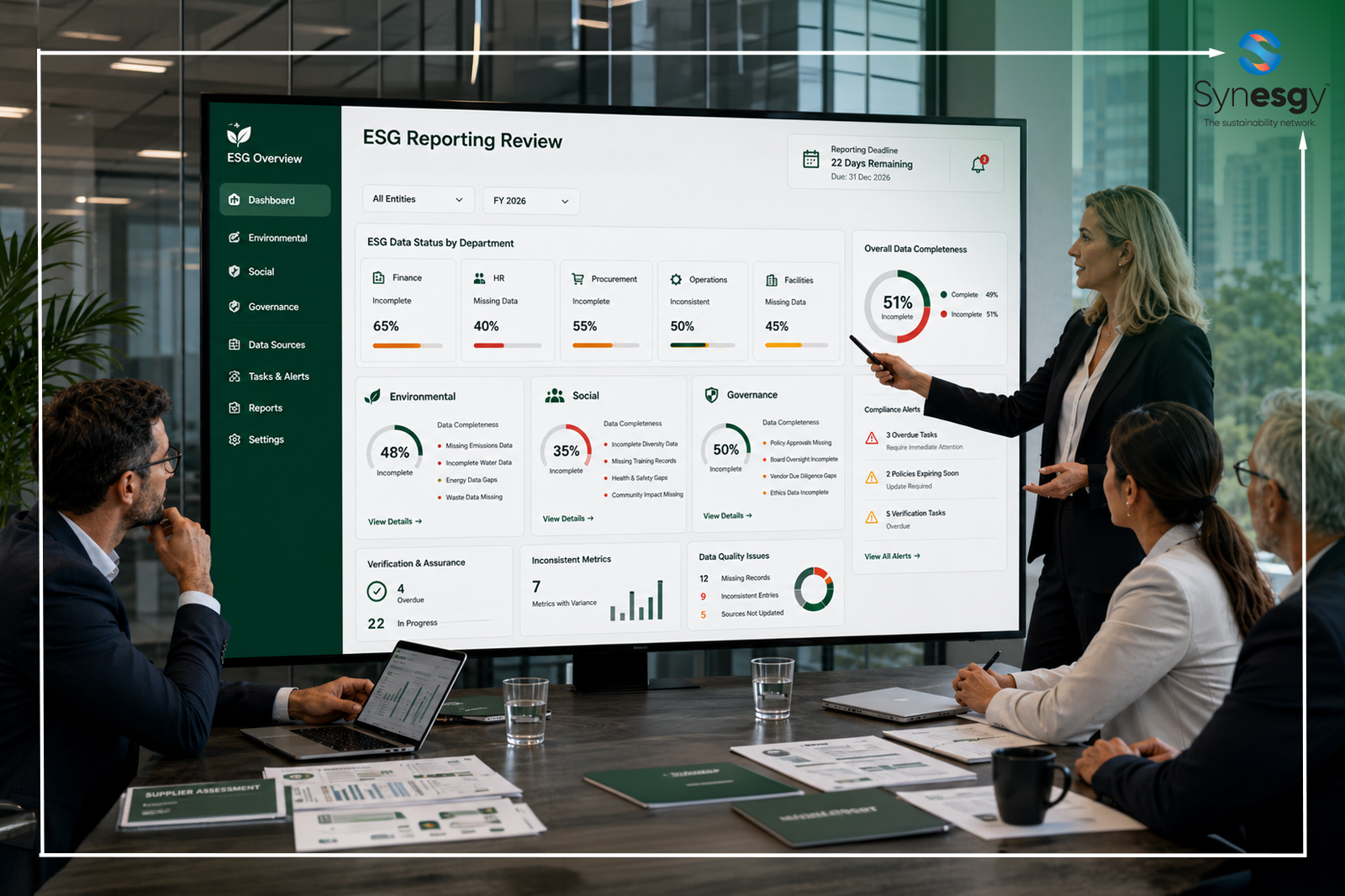
Before you can improve your ESG performance or present it credibly to buyers, you need to understand where you currently stand. An ESG baseline assessment maps your current performance across environmental, social, and governance dimensions and identifies where your gaps are. Without this starting point, any preparation effort risks being misdirected.
Gather Your Documentation
ESG assessments are evidence-based. Suppliers who arrive at an assessment without organised documentation lose time and credibility. The documentation you will need typically includes energy and emissions data, waste management records, labour and safety policies and their implementation evidence, sourcing standards and supplier codes of conduct, governance documents including compliance records and anti-corruption policies, and any existing certifications relevant to your operations.
Prioritise your material gaps
Once you know your baseline, focus your improvement efforts on the gaps most likely to affect your score in the dimensions your buyers weight most heavily. For healthcare suppliers, that typically means the social and environmental dimensions. Closing two or three significant gaps is more valuable than marginal improvements across many areas.
Choose a Recognised Assessment Platform
The credibility of your ESG score depends significantly on how it was produced. A verified score from a recognised platform carries substantially more weight with sophisticated healthcare buyers than a self-assessment. It signals that the process was structured, the data was validated, and the score reflects genuine performance rather than selective disclosure.
ESG Assessment vs ESG Certification: What Healthcare Suppliers Need to Know
A question that comes up frequently among suppliers is whether an ESG assessment and a sustainability certification are the same thing. They are not, and understanding the difference helps suppliers allocate their resources more effectively.
An ESG assessment measures and scores your performance across all three dimensions of environmental, social, and governance. It produces a score or rating that reflects your overall ESG standing. It is broad by design and gives buyers a comprehensive view of supplier performance.
A sustainability certification verifies that you meet a specific standard in one defined area. It is narrow by design and produces a certificate rather than a score.
For healthcare suppliers, both have value but they serve different purposes in a procurement context. An ESG assessment is typically required for broad supplier eligibility and ongoing procurement relationships. Specific certifications strengthen individual dimensions of your ESG score and provide additional proof of performance in targeted areas.
The right sequence is to start with the ESG assessment. It establishes your baseline, identifies your gaps, and makes clear which certifications would have the most strategic impact on your score. Pursuing certifications without that baseline means investing resources without knowing whether they address what buyers actually care about.
How Synesgy Supports Healthcare and Medical Device Suppliers
Synesgy provides a structured ESG assessment that produces a verified score across environmental, social, and governance dimensions. The platform is designed for suppliers who need to demonstrate ESG performance to buyers, procurement teams, and institutional partners in a credible, evidence-based way.
For healthcare and medical device suppliers specifically, Synesgy surfaces the performance gaps most likely to affect procurement eligibility, gives suppliers a clear picture of where they stand before entering buyer conversations, and produces a verified score that carries weight in institutional procurement processes.
The platform removes the guesswork from ESG preparation. Rather than estimating where you stand or relying on self-assessment, Synesgy gives you a structured, validated baseline that forms the foundation of a credible supplier ESG strategy.
Conclusion
ESG assessment is not a future requirement for healthcare and medical device suppliers. It is a present one. Buyers are already using ESG performance as a screening criterion and the suppliers building credible, verified ESG scores today are the ones winning procurement decisions tomorrow.
The starting point is not complex. Understand your baseline across environmental, social, and governance dimensions. Close your most material gaps. Get a verified score that your buyers can trust.
The healthcare supply chain is changing. Suppliers who treat ESG as a strategic priority rather than a compliance exercise will be the ones best positioned to grow within it.
Phone: +971 4 406 9900
E-mail: info.me@crif.com