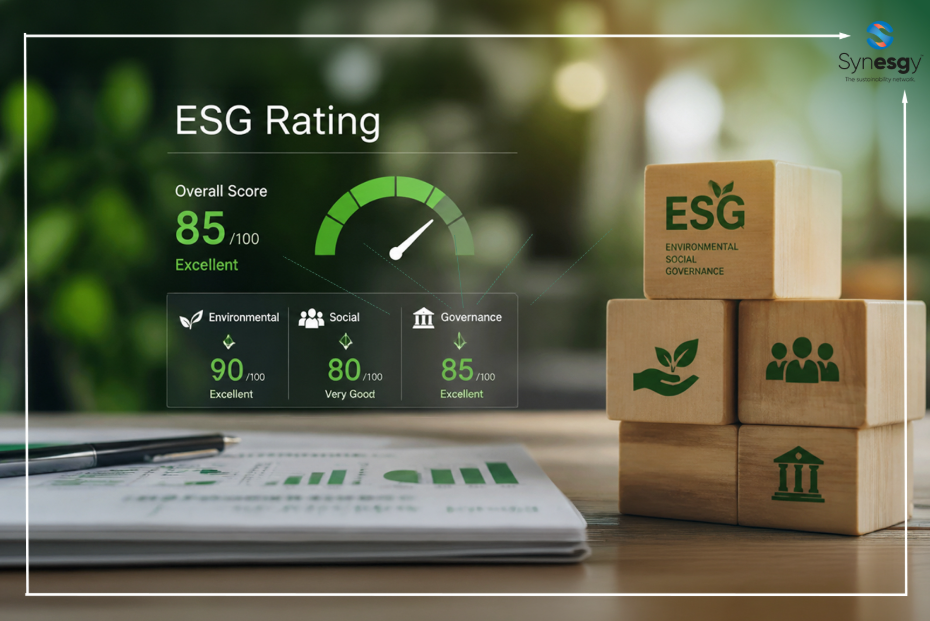
Procurement is changing. Across industries and regions, buyers are no longer evaluating suppliers on price and delivery alone. ESG performance has become a formal part of the supplier qualification process, and for many large enterprises, it is now a prerequisite rather than a preference.
For suppliers approaching their first ESG assessment, the process can feel opaque. What will be asked? What needs to be prepared? What happens to the score once it is submitted?
This article answers those questions and walks through exactly what suppliers need to have in place before the assessment begins.
Why Buyers Are Now Making ESG Assessment a Procurement Requirement
The shift has been gradual, but it has accelerated sharply. Regulatory pressure in the EU, growing investor scrutiny of supply chain risk, and rising corporate sustainability commitments have pushed procurement teams to formalise how they evaluate supplier ESG performance.
What buyers are looking for is not perfection. They are looking for transparency, documentation, and evidence that a supplier takes ESG seriously enough to measure it. A supplier who can provide structured ESG data through a third-party ESG evaluation is far easier to qualify than one who responds with a PDF brochure or a vague commitment to sustainability.
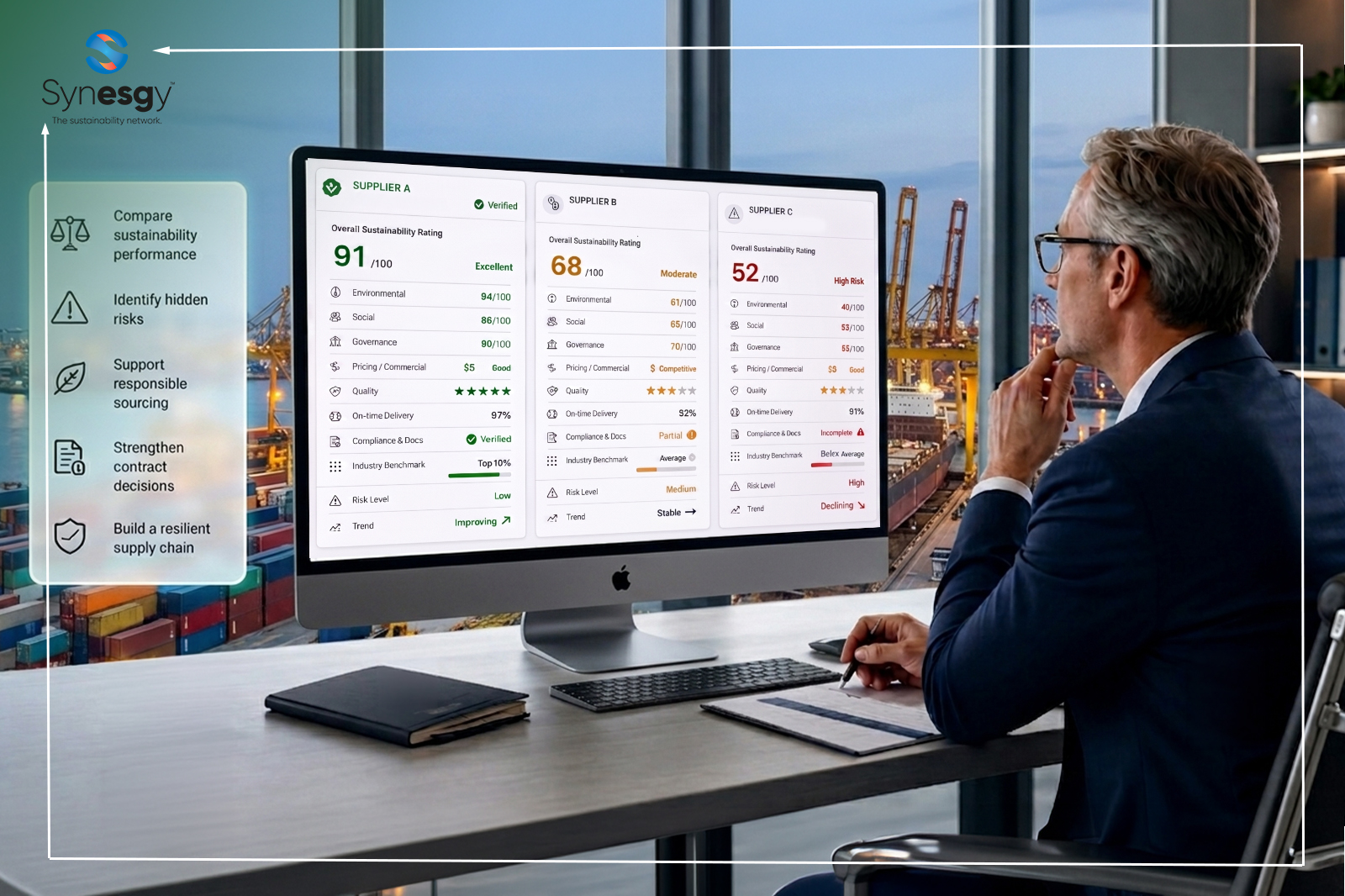
The commercial consequences for unprepared suppliers are real. At the shortlisting stage, buyers using ESG rating platforms can filter and rank suppliers by score. Suppliers without a verified rating are frequently excluded before any commercial conversation begins. For suppliers in industries such as manufacturing, logistics, construction, and professional services, this is already happening at scale.
How the ESG Assessment Process Works
The typical ESG assessment follows a structured sequence. Understanding each stage in advance removes uncertainty and helps suppliers respond accurately rather than reactively.
The process usually begins with a request from a buyer or directly from an ESG rating platform. The supplier receives an invitation to complete an ESG questionnaire covering environmental, social, and governance performance. The questionnaire is the primary data collection instrument, and the quality of responses here determines the reliability of the final score.
Once the questionnaire is submitted, supporting documentation is reviewed. Depending on the platform, this may be handled through automated verification, analyst review, or a combination of both. The assessment is then scored, and a rating is issued. Some platforms provide a breakdown by pillar, which allows suppliers to see where they performed well and where gaps exist.
The full cycle, from invitation to rated score, typically takes between two and six weeks, depending on how prepared the supplier is at the point of submission.
What Documents and Data You Need to Prepare
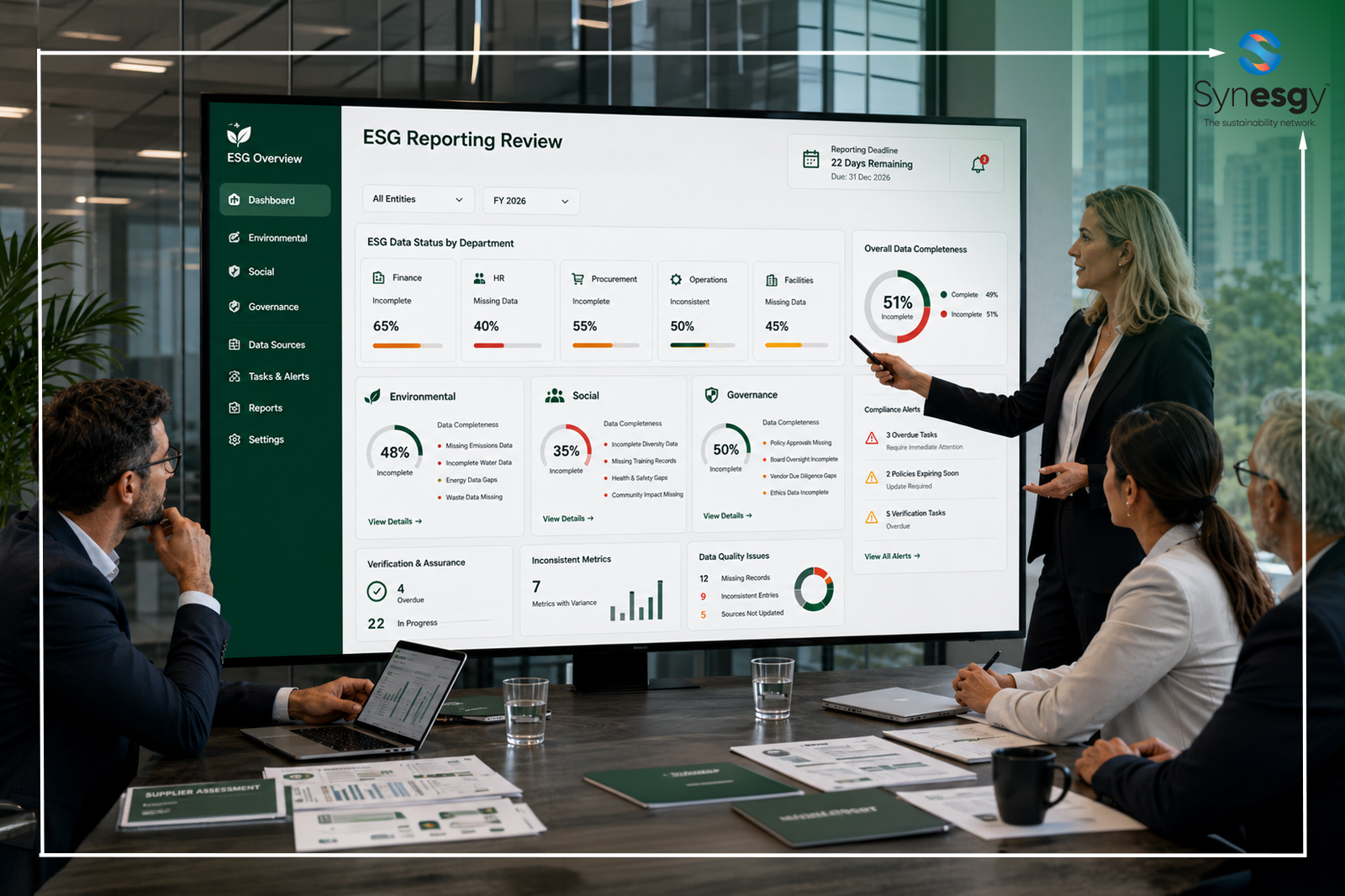
This is where most first-time suppliers lose time. The ESG questionnaire asks for data that many businesses hold internally but have never consolidated in one place. Having documentation ready before the assessment begins significantly reduces delays and improves score accuracy.
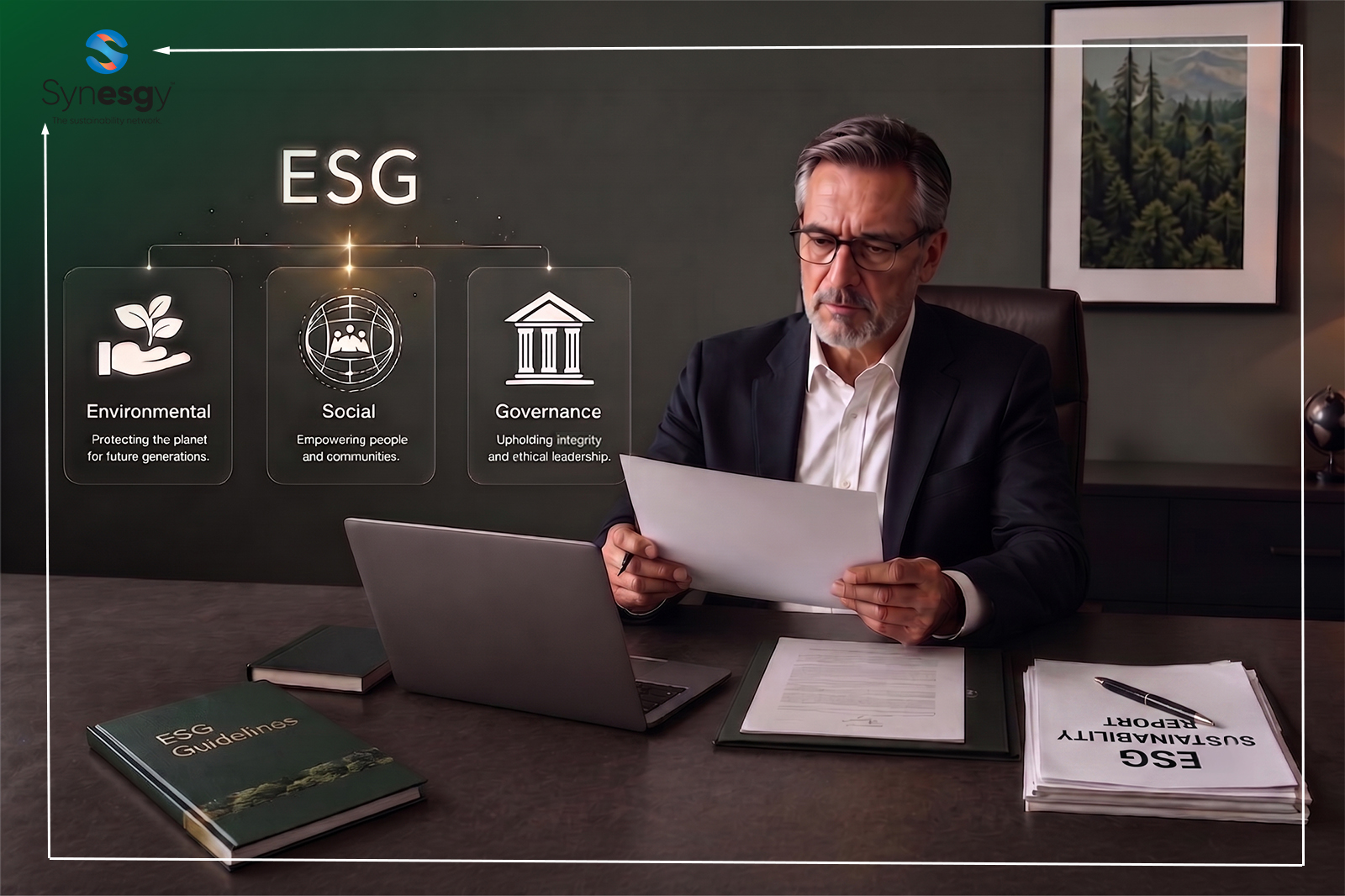
Across the three ESG pillars, the most commonly requested items are:
Environmental
Energy consumption data, waste management records, water usage where relevant, and greenhouse gas emissions data where available. Suppliers without formal emissions tracking are not automatically penalised, but those who can provide even basic energy and waste data score more completely than those who cannot.
Social
HR policies, health and safety records, employee training logs, workforce diversity data, and any supplier code of conduct that governs subcontractors or service providers. Evidence of grievance mechanisms or worker feedback processes is increasingly requested.
Governance
Ownership and corporate structure documentation, anti-bribery and corruption policies, a code of ethics or business conduct, financial audit records, and data privacy policies. For suppliers operating in regulated industries, compliance certificates and licensing records are also relevant.
Not every ESG assessment requires all of the above. The scope depends on the platform, the buyer’s requirements, and the supplier’s sector. The principle, however, holds across all assessments: suppliers who have their ESG documentation organised and accessible perform better and complete the process faster.
Running a Gap Analysis Before Your Assessment
The single most effective thing a supplier can do before starting an ESG assessment is to run a basic internal gap analysis. This does not need to be a formal audit. It is a structured review of what exists, what is missing, and what needs to be formalised before submission.
A practical gap analysis covers three questions for each ESG pillar:
-
Do we have a policy for this?
-
Is it documented?
-
Can we evidence that it is being followed?
Suppliers who go through this exercise before the assessment typically find a small number of areas where performance exists, but documentation does not. A health and safety process that runs well but has never been written down. An informal supplier vetting approach that has never been formalised into a policy. These are not failures of performance; they are gaps in sustainability data readiness, and they are fixable before the assessment rather than after.
The gap analysis also helps suppliers set an ESG baseline. Knowing where you start makes it easier to interpret your first score and build a realistic improvement plan from it.
How Your ESG Score Affects Supplier Selection
An ESG score is not a certificate that gets filed away. It is an active data point that buyers use in commercial decisions.
-
At the shortlisting stage, procurement teams using ESG rating platforms can rank and filter suppliers by score, by pillar, or by specific criteria relevant to their supply chain ESG requirements. A supplier with a verified ESG score moves through this stage faster and with less friction than one without.
-
At the contract stage, ESG performance is increasingly written into commercial terms. ESG-linked contracts, where pricing, renewal terms, or preferred supplier status are tied to ESG score thresholds or improvement trajectories, are becoming more common in sectors with strong sustainability mandates. Suppliers who understand this dynamic early are better positioned to negotiate from a place of awareness rather than being surprised by requirements they did not anticipate.
Beyond individual contracts, a strong ESG score builds a supplier’s standing across multiple buyer relationships simultaneously. Many buyers reference the same ESG rating platforms, so a score earned through one assessment can serve multiple procurement relationships without requiring repetition of the full process.
What Third-Party Verification Means for Your Credibility
There is a meaningful difference between a supplier who claims strong ESG performance and one whose performance has been independently verified through a structured ESG assessment process.
Self-reported sustainability claims carry limited weight in procurement decisions. Buyers have no reliable way to compare them across suppliers, and in an environment where greenwashing scrutiny is increasing, unverified claims can create more risk than they resolve.
Third-party ESG verification through a recognised ESG rating platform changes that dynamic. The score is produced through a standardised process, applied consistently across suppliers, and backed by documented evidence rather than self-declaration. It signals to buyers that the supplier’s ESG data meets a defined disclosure standard rather than simply reflecting what the supplier chose to share.
For suppliers, this is the core value of engaging with an ESG rating platform before being asked to. A verified rating is a reusable commercial asset. It travels with the supplier across buyer relationships and positions them ahead of requirements that are still tightening across most industries.
Conclusion
Preparing for an ESG assessment is not a compliance exercise. It is a commercial preparation. Suppliers who treat it that way, by organising their documentation, running a gap analysis, and understanding how their score will be used, approach the process with far more confidence and come out of it with a result that works in their favour.
An ESG rating platform provides the structure to make this process repeatable. Rather than responding to each buyer’s ESG request from scratch, a verified rating becomes a standing asset that travels with your business across relationships and procurement cycles.
FAQs
Q: What is an ESG assessment?
A: A structured evaluation of a business across environmental, social, and governance pillars. Conducted through an ESG rating platform using a standardised questionnaire and third-party verification, the output is a verified score that buyers use to qualify suppliers and manage supply chain risk.
Q: How do I prepare for an ESG evaluation as a first-time supplier?
A: Start with an internal gap analysis across all three pillars. Identify what policies exist, what is undocumented, and what is missing. Consolidate supporting documentation before the questionnaire is issued. Suppliers who prepare in advance complete assessments faster and score more consistently.
Q: What documents are needed for an ESG assessment?
A: Environmental: energy records, waste data, emissions information. Social: HR policies, health and safety records, training logs, diversity data. Governance: ownership documentation, anti-bribery policies, code of conduct, audit records. Scope varies by platform and sector, but having these organised before you start eliminates the most common causes of delay.
Q: How do ESG scores affect supplier selection?
A: Buyers filter and rank suppliers by score at shortlisting. Suppliers without a verified rating are routinely excluded before commercial conversations begin. Scores also factor into contract awards, renewal terms, and preferred supplier status, making a verified rating a reusable asset across multiple buyer relationships.
Q: How long does an ESG assessment take to complete?
A: Most suppliers complete their first assessment within two to six weeks. Suppliers who consolidate documentation before starting typically finish in under two weeks. Those gathering information during the process take longer and are more likely to receive requests for additional information mid-cycle.
Q: What if I don’t have all the documents required?
A: Missing documentation does not prevent submission, but will affect your score. Gaps are reflected in pillar-level results that buyers can see. Identify missing items through a gap analysis before starting, formalise what you can quickly, and submit with a clear picture of where you stand.
Q: Can a small business get an ESG rating without a sustainability team?
A: Yes. The assessment measures what a business actually does, not the size of its team. Many small and mid-sized suppliers complete assessments using existing HR, finance, and operations documentation without dedicated sustainability staff.
Q: What is a good ESG score for a supplier?
A: There is no universal threshold. Buyers set their own minimums based on sector risk and sustainability targets. The most useful benchmark is how your score compares to others in your industry category and whether it meets the threshold your target buyers have set.
Q: How do I improve my ESG score after a low result?
A: Start with the pillar breakdown from your result. Governance and social gaps are typically the fastest to address through policy updates and documentation. Environmental improvements require more time. Confirm reassessment timelines with the platform before resubmitting.
Q: Can I lose a contract because of a low ESG score?
A: Yes. Buyers set score thresholds for shortlisting and contract award. A supplier below that threshold may be deprioritised or excluded from the next procurement cycle. ESG-linked contracts increasingly tie renewal and preferred supplier status to score maintenance.
Q: Is the ESG assessment free for suppliers?
A: It depends on the platform. Some charge suppliers directly, others operate on a buyer-funded model. On Synesgy, suppliers can register and begin without an upfront cost. Check the platform directly for current pricing and access tiers.
Q: How is Synesgy different from other ESG rating platforms?
A: Synesgy is built specifically for supply chain ESG evaluation, accessible to suppliers of all sizes across industries and regions. It combines standardised questionnaires with third-party verification, making verified ratings directly usable in procurement workflows rather than sitting as standalone reports.