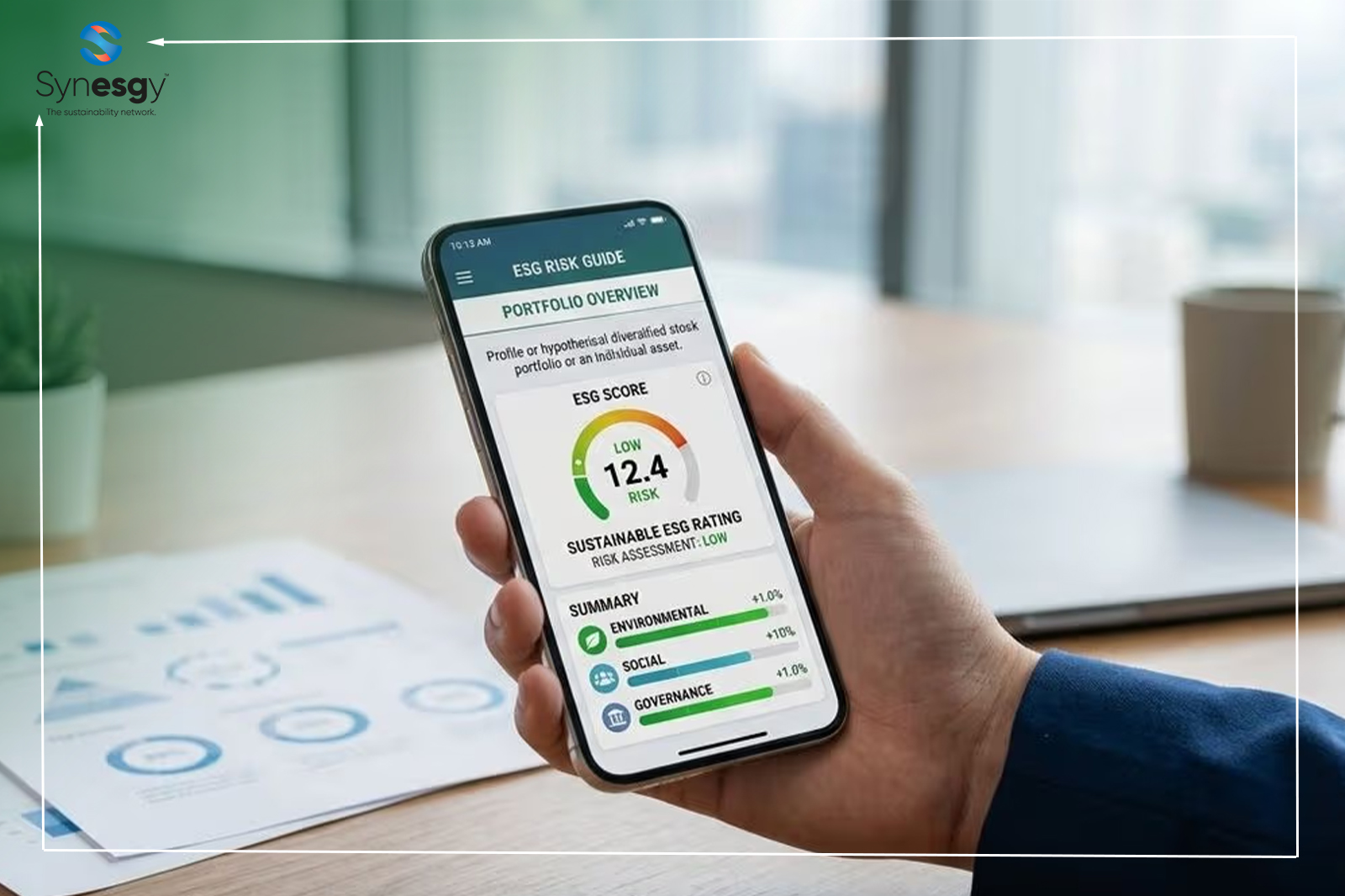
The integration of ESG into supplier evaluation reflects a major shift in how UAE financial institutions manage risk, compliance, and long-term value. ESG is rapidly shifting from optional to a core criterion in procurement, credit decisions, and supplier selection.
Businesses that treat ESG as a strategic priority will be better positioned to build trust, reduce risk, and access new opportunities. By adopting structured, data-driven ESG assessment approaches, organizations can enhance transparency and align with evolving regulatory and market expectations.
As ESG requirements continue to grow in the UAE, companies that act early will gain a competitive edge. Leveraging digital ESG platforms can further simplify compliance, streamline assessments, and support sustainable business growth.
Why UAE Banks Are Demanding ESG Scores from Suppliers
UAE banks are increasingly requiring ESG scores to evaluate non-financial risks within their supplier ecosystem. ESG data helps identify environmental, social, and governance vulnerabilities that could impact operations, compliance, and reputation, ensuring that suppliers align with sustainable and responsible business practices.
Why is ESG compliance important for financial institutions in the UAE?
ESG compliance supports regulatory alignment, risk mitigation, and long-term sustainability goals. UAE financial institutions must adhere to global sustainability frameworks and national initiatives like Net Zero targets, making ESG compliance essential for maintaining credibility, reducing exposure to risks, and meeting stakeholder expectations.
Why do investors and banks rely on ESG data?
Investors and banks use ESG data to assess long-term business resilience and ethical performance. ESG insights provide visibility into operational risks, governance practices, and sustainability efforts, helping financial institutions make informed decisions that balance profitability with responsible investment strategies.
Why are banks increasingly requiring ESG scores from vendors?
Banks are integrating ESG into procurement to manage third-party risks and ensure supply chain sustainability. By requiring ESG scores, they standardize vendor evaluation, reduce exposure to compliance violations, and strengthen trust across their ecosystem while aligning with global ESG reporting standards.
ESG Score and ESG Risk Rating in Supplier Evaluation
What is an ESG score and why does it matter for suppliers?
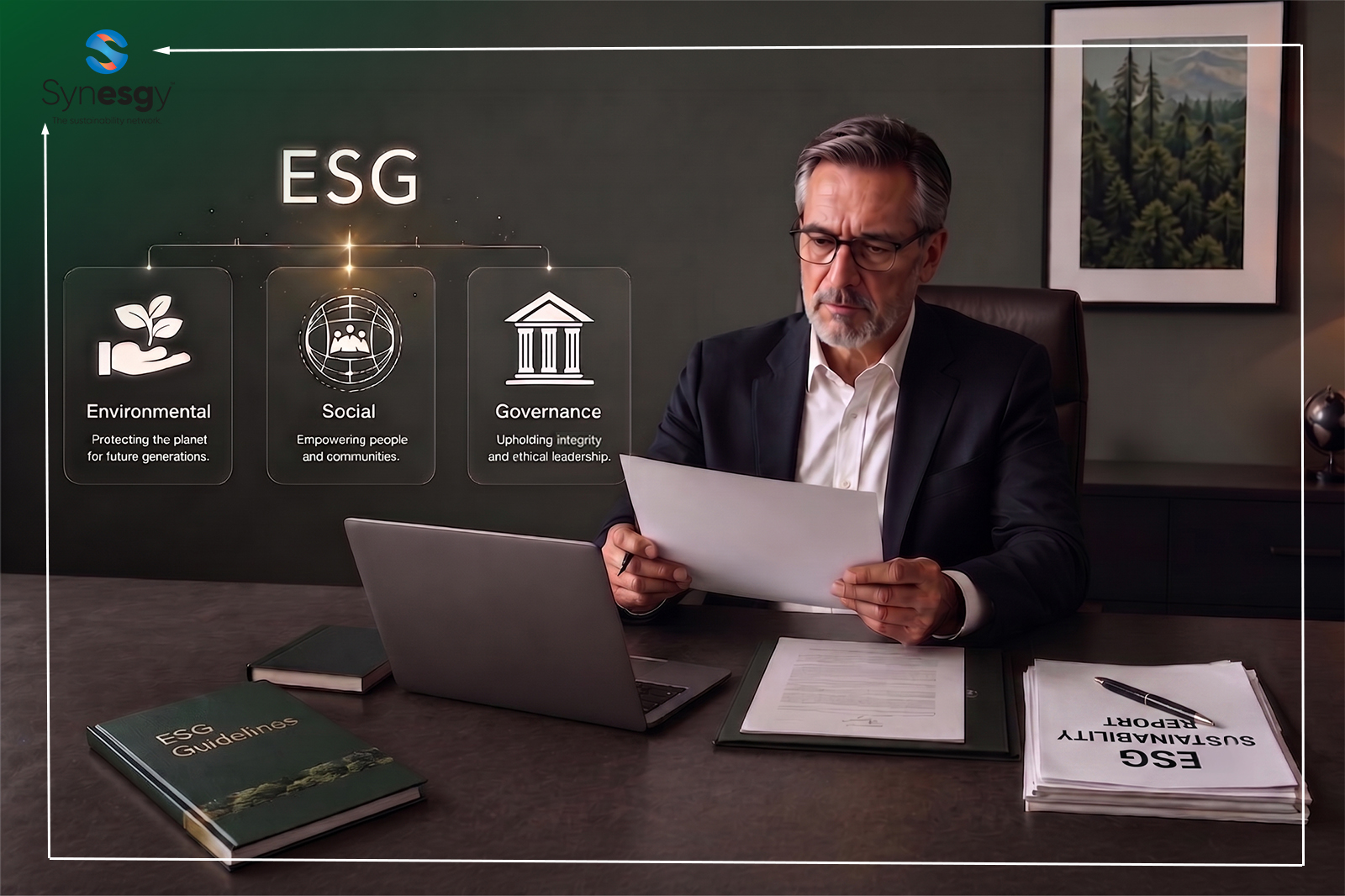
An ESG score measures a company’s performance across environmental, social, and governance factors. For suppliers, it determines eligibility for partnerships, as businesses with strong ESG scores are considered lower risk, more compliant, and better aligned with sustainable procurement standards.
What is ESG risk rating in banking and finance?
ESG risk rating evaluates potential exposure to environmental, social, and governance-related risks. In banking, it helps assess whether a supplier or partner poses compliance, reputational, or operational risks, influencing decisions related to onboarding, lending, and long-term collaboration.
What is ESG risk rating in the UAE context?
In the UAE, ESG risk ratings are shaped by national sustainability goals, regulatory expectations, and global frameworks. Financial institutions assess ESG risks to ensure alignment with sustainability initiatives, environmental regulations, and corporate governance standards.
What is the connection between ESG scores and financial risk?
ESG scores directly correlate with financial risk by highlighting potential operational disruptions, compliance issues, or governance failures. A poor ESG score can indicate higher risk exposure, which may impact creditworthiness, supplier approval, and overall business reliability.
How UAE Financial Institutions Assess ESG Risk in Suppliers
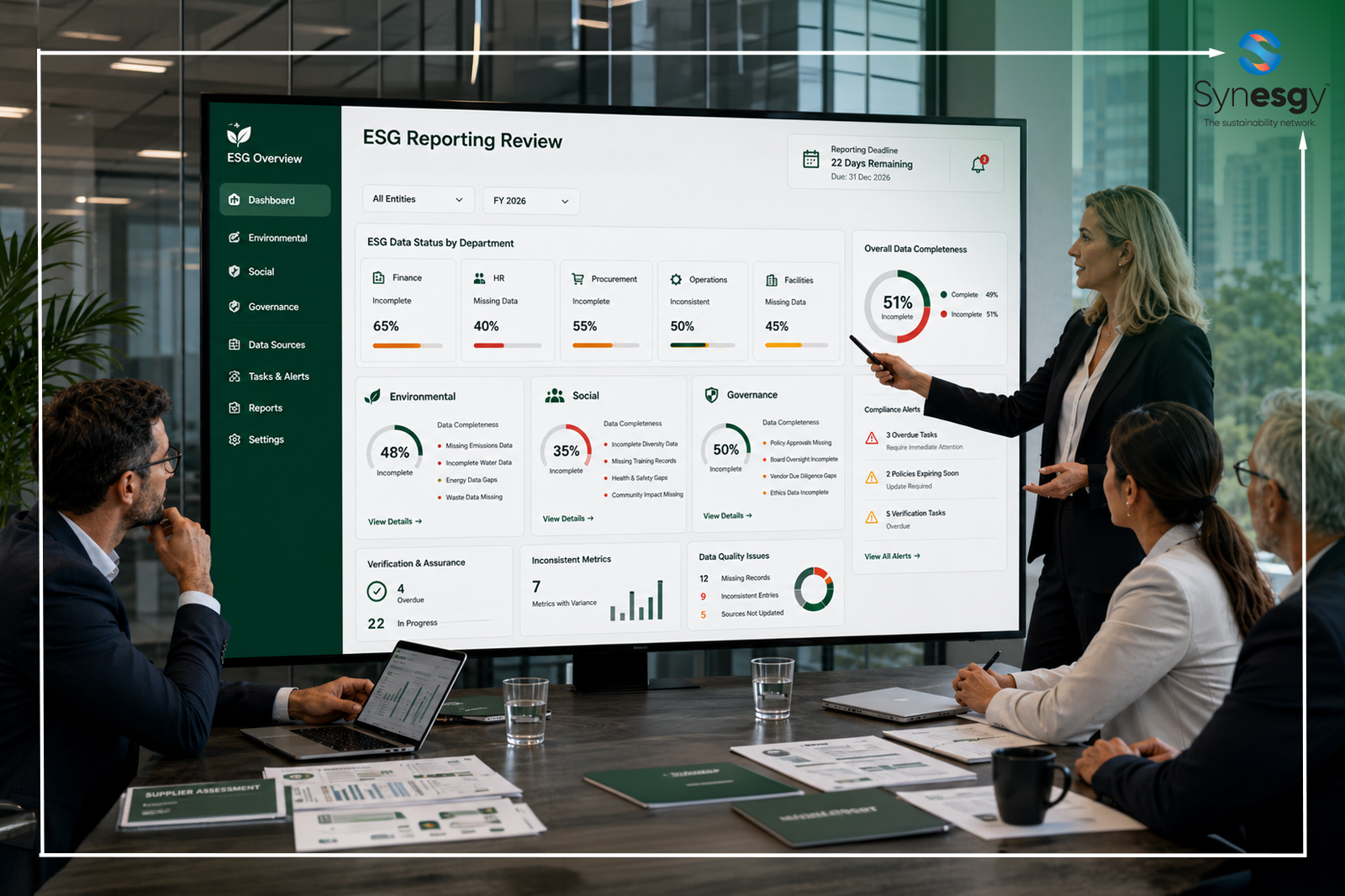
Financial institutions evaluate ESG risks through structured frameworks that analyze environmental impact, social responsibility, and governance practices. This includes reviewing policies, performance metrics, and disclosures to ensure suppliers meet sustainability and compliance expectations.
What ESG requirements do UAE banks have for vendors?
UAE banks require vendors to demonstrate compliance with ESG standards, including sustainability practices, ethical governance, and regulatory adherence. Suppliers must provide relevant data, policies, and documentation that reflect responsible operations and risk mitigation capabilities.
How do ESG regulations impact supplier onboarding in UAE banks?
ESG regulations integrate sustainability checks into supplier onboarding processes. Banks now assess ESG performance alongside financial and operational criteria, ensuring that only compliant and low-risk suppliers are approved for partnerships.
What role does ESG play in sustainable finance in the UAE?
ESG plays a central role in sustainable finance by guiding investment decisions and risk management strategies. UAE financial institutions use ESG data to allocate capital responsibly, support green initiatives, and align with national sustainability objectives.
ESG Due Diligence in Supplier Onboarding and Third-Party Risk
What is ESG due diligence for suppliers?
ESG due diligence is the process of evaluating a supplier’s sustainability and governance practices before onboarding. It ensures that vendors meet required ESG standards, reducing exposure to environmental, social, and compliance-related risks.
How do companies assess ESG risks in their supply chain?
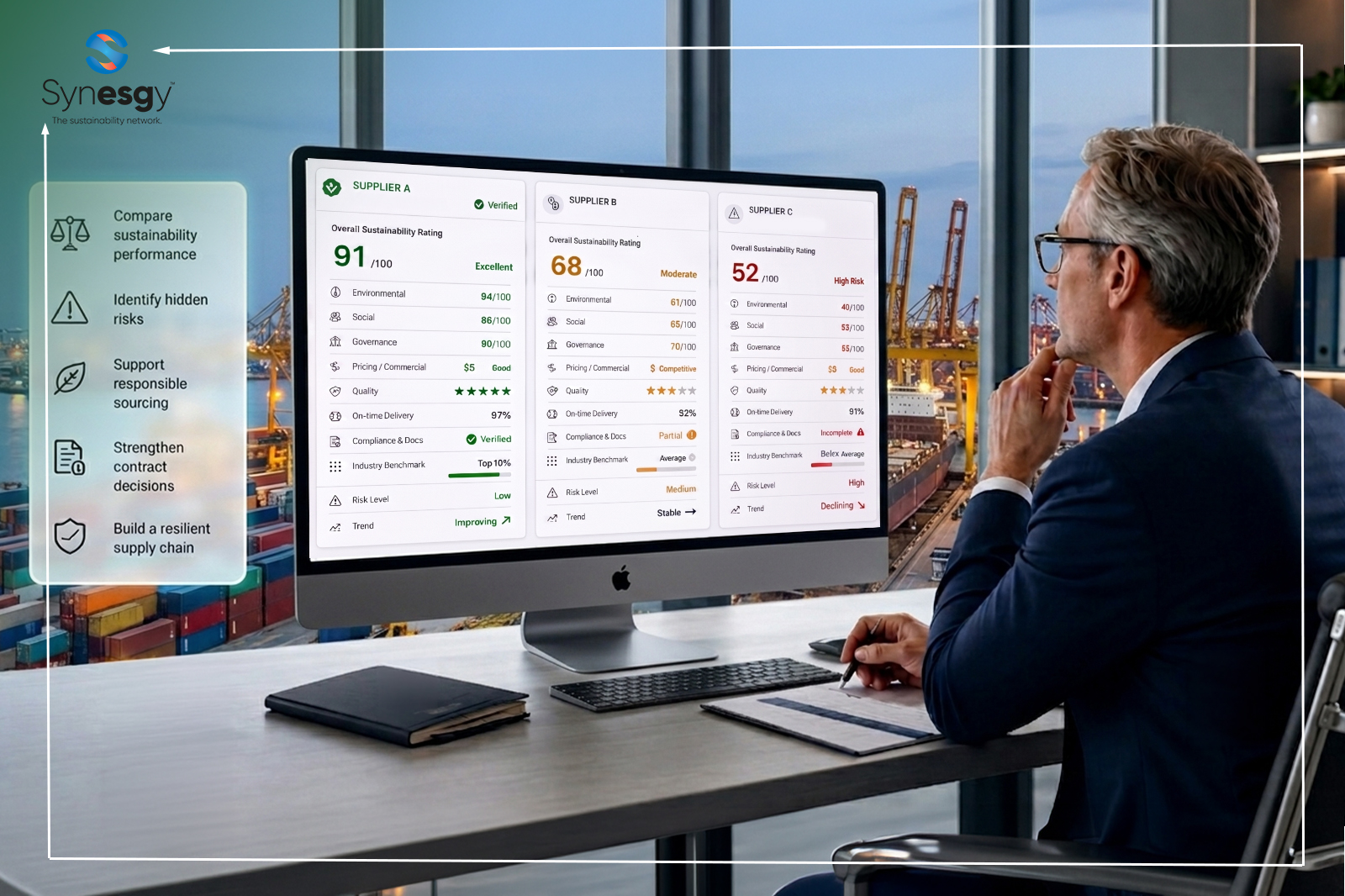
Companies assess ESG risks by analyzing supplier data, conducting audits, and using standardized scoring systems. This helps identify high-risk vendors and implement corrective actions to maintain a resilient and compliant supply chain.
How do ESG scores influence supplier risk management decisions?
ESG scores provide a measurable indicator of supplier risk. Businesses use these scores to categorize vendors, prioritize low-risk partners, and implement mitigation strategies for high-risk suppliers, ensuring better control over third-party risks.
Influence of ESG Scores Supplier Selection and Business Decisions
How do ESG scores impact supplier onboarding?
ESG scores are now a key factor in supplier onboarding, determining whether a vendor meets sustainability and compliance criteria. High-scoring suppliers are preferred, while low-scoring ones may face additional scrutiny or rejection.
How do ESG risk ratings affect supplier selection?
ESG risk ratings help businesses compare suppliers based on their risk profiles. Organizations prioritize vendors with lower ESG risk, ensuring stronger compliance, reduced exposure to disruptions, and improved long-term partnerships.
What happens if a supplier has a low ESG score?
Suppliers with low ESG scores may face rejection, reduced business opportunities, or requirements to improve their practices. Companies may also impose corrective measures or limit engagement to mitigate potential risks.
How do ESG scores affect business partnerships?
ESG scores influence trust and credibility in business relationships. Companies prefer partners with strong ESG performance, as it reflects reliability, compliance, and alignment with sustainability goals.
How ESG Scores Affect Financing, Credit, and Business Credibility
Do ESG ratings influence loan approvals in the UAE?
Yes, ESG ratings increasingly influence loan approvals as banks assess sustainability risks alongside financial metrics. Businesses with strong ESG profiles are more likely to secure favorable financing terms and build long-term relationships with lenders.
How does ESG risk impact financial decision-making?
ESG risk affects financial decisions by highlighting potential liabilities and long-term sustainability challenges. Financial institutions incorporate ESG data into risk models to make more informed lending, investment, and partnership decisions.
How does ESG compliance improve business credibility?
ESG compliance enhances credibility by demonstrating responsible and transparent business practices. It builds trust with stakeholders, improves brand reputation, and increases opportunities for partnerships and funding.
How ESG Scores Are Calculated Using Digital Assessment Platforms
How is an ESG score calculated?
An ESG score is calculated using data from environmental impact, social practices, and governance structures. This includes metrics such as emissions, labor policies, and compliance frameworks, which are analyzed and benchmarked against industry standards.
What factors are included in ESG risk assessment?
ESG risk assessment includes environmental risks, social responsibility factors, and governance practices. These elements are evaluated collectively to determine a company’s overall risk exposure and sustainability performance.
What tools are used for ESG scoring and monitoring?
Organizations use digital platforms to collect data, standardize assessments, and generate ESG scores. These tools enable continuous monitoring, benchmarking, and reporting, making ESG evaluation more efficient and scalable.
How Suppliers Can Improve ESG Scores and Meet Bank Requirements
How can suppliers improve their ESG rating?
Suppliers can improve ESG ratings by adopting sustainable practices, enhancing governance policies, and ensuring regulatory compliance. Regular assessments, transparent reporting, and continuous improvement initiatives help strengthen ESG performance.
How can businesses meet ESG requirements set by UAE banks?
Businesses can meet ESG requirements by aligning with recognized frameworks, implementing sustainability strategies, and using standardized assessment tools. Providing accurate data and maintaining compliance with regulations are key to meeting expectations.
What are the benefits of ESG compliance for suppliers?
ESG compliance offers benefits such as improved credibility, access to financing, and stronger partnerships. It also reduces risk exposure and positions suppliers as responsible and future-ready businesses.
Why is ESG important for long-term business sustainability?
ESG is essential for long-term sustainability as it ensures responsible operations, risk resilience, and alignment with global standards. Companies that prioritize ESG are better equipped to adapt to changing regulations and market expectations.
Key Takeaways
-
ESG scores are becoming a core requirement in supplier evaluation for UAE banks and financial institutions
-
Financial institutions use ESG data to identify hidden risks and ensure regulatory compliance
-
Strong ESG performance enhances supplier credibility, financing opportunities, and long-term partnerships
-
ESG due diligence is now an integral part of supplier onboarding and third-party risk management
-
Businesses with low ESG scores risk losing contracts, facing stricter scrutiny, or being excluded from vendor ecosystems
-
Digital ESG platforms help organizations standardize assessments, improve transparency, and streamline compliance
-
Proactively improving ESG performance positions suppliers as trusted, future-ready partners in a sustainability-driven economy
Conclusion
The growing demand for ESG scores from suppliers is no longer a trend but a structural shift in how UAE banks manage risk, compliance, and sustainability. ESG evaluation has become a key part of supplier onboarding, helping organizations identify risks, ensure regulatory alignment, and build resilient supply chains.
For suppliers, this shift brings both challenges and opportunities. Businesses that adopt ESG practices, improve transparency, and align with sustainability frameworks are more likely to secure partnerships and access financing, while those that fall behind risk losing valuable opportunities.
As ESG continues to shape financial decision-making in the UAE, adopting a structured, data-driven approach is essential. Platforms like Synesgy simplify ESG assessment through standardized scoring, efficient onboarding, and continuous monitoring, helping businesses stay compliant and competitive.
FAQs
Q: Are ESG scores mandatory for suppliers in the UAE?
A: ESG scores are not universally mandatory but are increasingly required by banks and large enterprises. Many UAE financial institutions now include ESG evaluation as part of supplier onboarding and risk assessment processes.
Q: What documents are required for ESG evaluation?
A: Documents typically include sustainability reports, governance policies, compliance records, and operational data. These help assess a company’s ESG performance and verify alignment with required standards.
Q: How long does ESG assessment take for suppliers?
A: The duration varies depending on company size and data availability but typically ranges from a few days to several weeks. Digital platforms can significantly speed up the process through automated assessments.
Q: What are the risks of ignoring ESG requirements?
A: Ignoring ESG requirements can lead to lost business opportunities, regulatory penalties, and reputational damage. It may also limit access to financing and partnerships with ESG-focused organizations.
Q: How does ESG support risk management in financial institutions?
A: ESG supports risk management by identifying non-financial risks that impact long-term performance. It enables institutions to make informed decisions, reduce exposure, and build resilient, sustainable portfolios.