Publishing an ESG sustainability report is not simply a matter of presenting a collection of environmental statistics. The usefulness of the report depends heavily on the quality, completeness, and consistency of the ESG data behind it.
Companies may already track energy consumption, greenhouse gas emissions, or waste, but sustainability reporting also draws attention to workforce practices, corporate governance, regulatory compliance, policies, certifications, and supply-chain information. If these areas are managed in separate systems or supported by incomplete records, important ESG data gaps can remain hidden until the reporting process begins.
A structured ESG assessment can help companies understand what information they already have, where evidence is missing, and which environmental, social, and governance areas may require closer attention. Synesgy's assessment approach, for example, considers sustainability strategy, ESG risk management, employees, energy, GHG emissions, waste, water, biodiversity, codes of conduct, certifications, stakeholder relations and compliance through a structured ESG questionnaire.
For companies preparing for sustainability reporting, the question therefore should not only be, "Do we have ESG data?" It should also be, "Is that data organised, consistent and supported well enough to provide a reliable view of our ESG performance?"
What ESG Data Is Needed Before Publishing a Sustainability Report?
The ESG data needed for a sustainability report will vary depending on the reporting framework, the company’s sector, operations and disclosure scope. What matters is that the information gives a sufficiently complete view of the organisation’s sustainability performance and is supported by reliable evidence.
In practice, reporting readiness should bring together relevant environmental, social and governance data rather than focusing only on a few environmental metrics. This can include performance indicators, workforce information, policies, compliance records, certifications, supplier-related information and other supporting documentation used to explain how ESG issues are managed.
The CRIF Synesgy Ratings methodology follows this broader approach by assessing both quantitative and qualitative information across environmental, social and governance areas, including workforce and value-chain factors, business conduct, compliance and management practices.
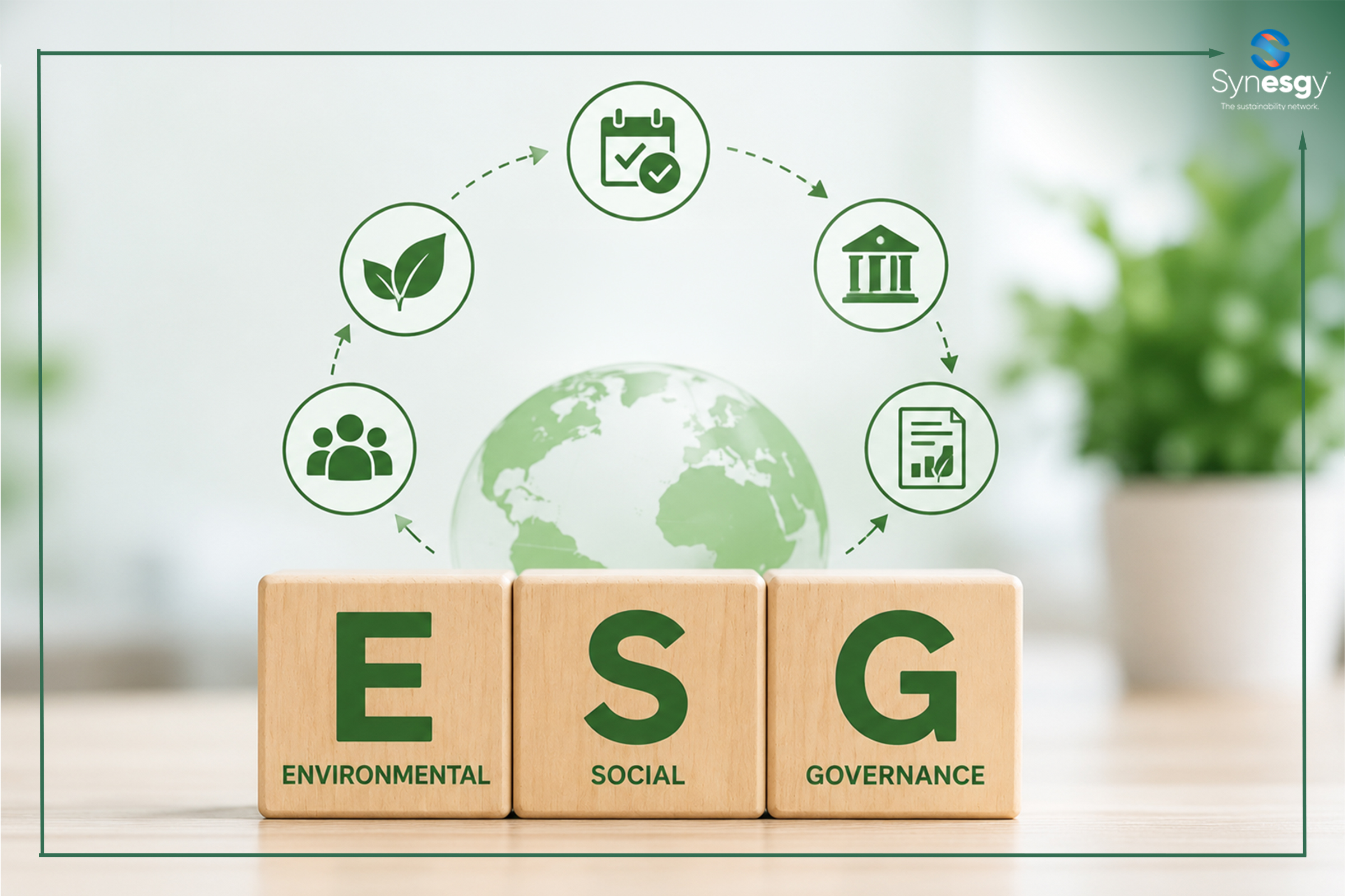
For a broader explanation of the three ESG pillars and the types of issues they cover, see ESG Sustainability: What It Really Means for Modern Businesses.
For reporting preparation, the more important question is whether this information is complete, consistent, current, and supported by evidence. That is what determines whether ESG data is genuinely ready to support a sustainability report.
How Do You Know if Your ESG Data Is Ready for Reporting?
Having information available does not necessarily mean that the information is ready to support sustainability reporting.
A useful starting point is to assess ESG data against several practical questions:
-
Is the information current?
-
Is it complete for the areas being assessed?
-
Can the company identify where the data came from?
-
Are figures and statements consistent across departments?
-
Are policies and claims supported by documentation?
-
Can responsible teams explain how the information was collected?
-
Are important environmental, workforce, governance, or supplier areas missing?
Data quality becomes particularly important when information comes from several business functions. Energy data may sit with facilities teams, workforce data with HR, compliance documentation with legal teams, and supplier ESG data with procurement.
Without a structured collection process, the organisation can end up with different reporting periods, inconsistent definitions, or information that cannot easily be supported.
This principle is reflected in CRIF Synesgy Ratings' assessment methodology, where the reliability of an evaluation depends on the quality, completeness, consistency and relevance of the evidence available. The methodology also distinguishes between an absence of information and verified poor performance, rather than treating the two as the same issue.
ESG reporting readiness therefore involves more than collecting numbers. It requires understanding whether those numbers and statements provide a sufficiently coherent and supported picture of the organisation.
How Can Companies Verify ESG Data Before Reporting?
ESG data verification starts with traceability.
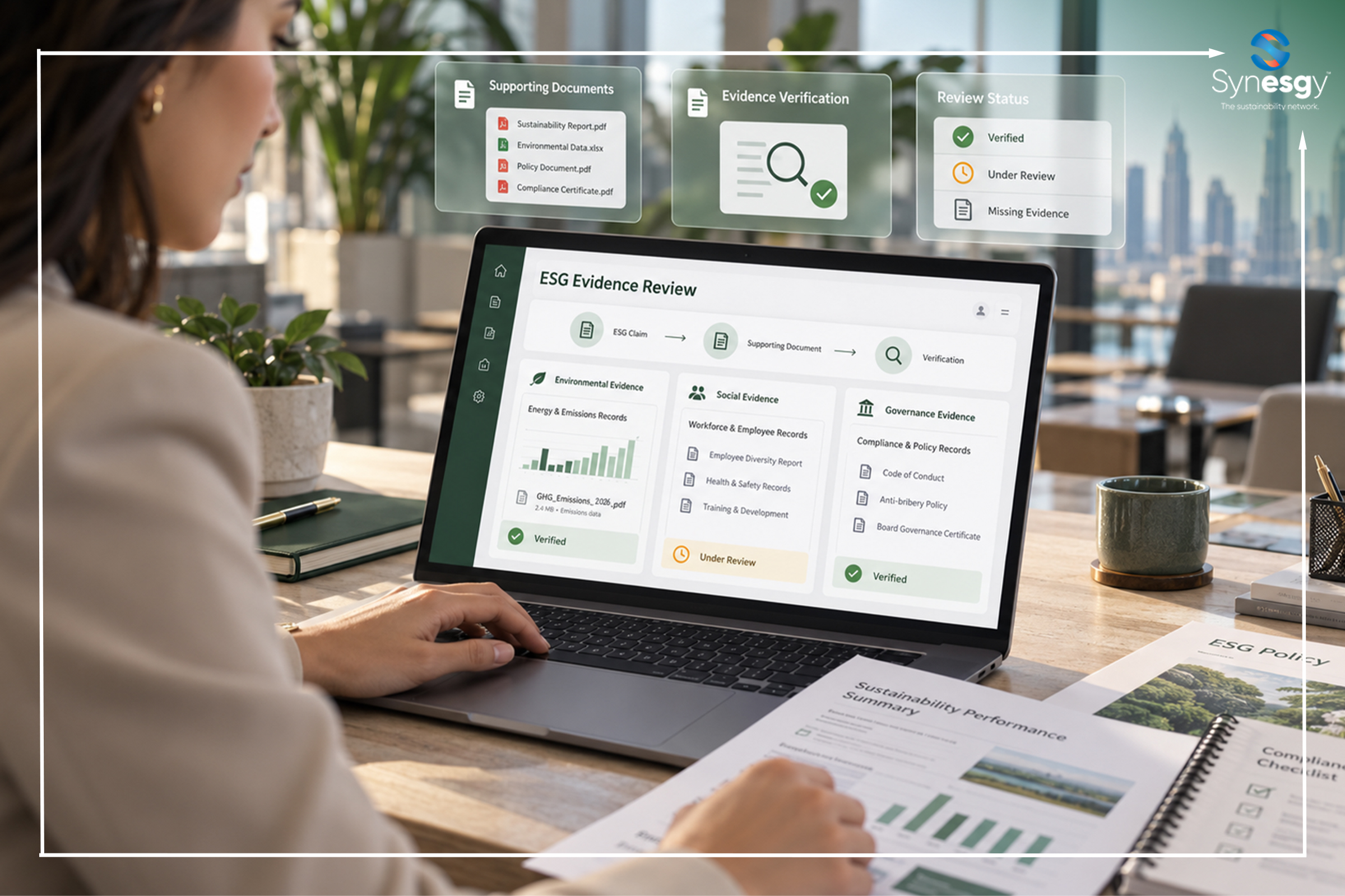
For each important ESG indicator or statement, businesses should be able to identify the underlying evidence. This may involve comparing reported figures with internal records, checking whether policies remain current, and confirming whether supporting certifications or documentation are valid.
Structured review is particularly important where information is self-declared.
Within the Synesgy assessment process, the system checks the adequacy and consistency of information provided through the ESG questionnaire. Where inconsistencies arise, supporting documents may be requested to validate the company's responses.
A practical ESG data verification process can therefore include:
-
identifying the source of each important ESG data point;
-
checking whether the information relates to the correct reporting period;
-
comparing questionnaire responses with available records;
-
reviewing supporting policies, certificates and other documentation;
-
investigating conflicting or incomplete information;
-
assigning responsibility for resolving ESG data gaps.
Verification should not be confused with assuming that every data point requires the same level of evidence. The relevance of information can vary depending on the company, sector, and ESG topic. The objective is to make sure important ESG information can be understood and supported.
What Supporting Documents Are Needed for ESG Reporting?
There is no single universal document list that applies to every company and every sustainability reporting framework. However, supporting documentation is useful because it connects ESG claims with evidence.
Depending on the organisation and the ESG areas being assessed, relevant documents may include:
-
sustainability reports
-
environmental or ESG policies
-
codes of conduct and ethics
-
workforce and human rights policies
-
health and safety policies
-
anti-corruption policies
-
whistleblowing procedures
-
ESG targets and action plans
-
relevant certifications
-
management-system documentation
-
supplier policies and codes
-
supplier certifications
-
documentation supporting quantitative ESG indicators
CRIF Synesgy Ratings' assessment approach reviews company information that can include quantitative indicators, policies, action plans, initiatives, targets, certifications, and other supporting qualitative evidence.
The Synesgy questionnaire similarly investigates areas such as sustainability strategy, ESG risk management, codes of conduct, certifications, data-security policies, internal ESG policies, and compliance with relevant ESG standards.
For ESG reporting readiness, the purpose of supporting documentation is therefore not to accumulate files. It is to create a clearer evidence trail behind important disclosures.
How Can ESG Assessment Identify Gaps in Reporting Data?
One of the useful roles of ESG assessment is showing where information is strong and where the company's ESG picture remains incomplete.
A structured ESG assessment examines different areas systematically instead of relying only on the information departments already happen to collect.
For example, a company may have strong environmental performance data but limited workforce information. Another may have detailed employee records but little documented evidence of supplier ESG monitoring. A third may have governance policies but no clear view of how those policies are implemented or overseen.
An ESG questionnaire can make these gaps easier to identify because it creates a common structure for collecting information across E, S and G.
Within Synesgy, questionnaire information contributes to an ESG assessment that can produce an overall score as well as Environmental, Social and Governance-specific results. The platform's outputs also include improvement areas and an Action Plan identifying priority actions.
This makes ESG assessment useful before reporting because it can reveal questions such as:
-
Which ESG indicators are currently unavailable?
-
Which policies exist but lack supporting evidence?
-
Which topics are being measured inconsistently?
-
Where does supplier information need improvement?
-
Which ESG areas require more structured monitoring?
In this sense, ESG assessment can act as a diagnostic step for ESG reporting readiness.
What Environmental, Social and Governance Data Should Companies Collect?
A reliable ESG sustainability report should be built from information that reflects all relevant dimensions of ESG performance.
Environmental information
Environmental data can cover climate and resource-related impacts such as emissions, energy, water, pollution, biodiversity, waste, and circular economy practices.
This area should not only document outcomes. Policies, initiatives, targets, and management practices can also provide context around environmental performance.
Social information
Social data examines how the organisation manages its impacts on people.
The CRIF Synesgy Ratings methodology considers workforce composition, employment stability, gender representation, equal treatment, gender pay gaps, training, professional development, welfare, human rights, diversity, health and safety, occupational injuries and lost working days.
This information can help prevent an ESG sustainability report from becoming an environmental report predominantly.
Governance information
Corporate governance data provides insight into the structures and controls supporting responsible business conduct.
Relevant areas within the Synesgy methodology include legal and regulatory compliance, codes of ethics, organisational controls, whistleblowing, privacy, anti-corruption arrangements, governance-body composition, ESG responsibilities and management-system certifications.
Together, these three categories provide a more complete foundation for sustainability reporting and ESG assessment.
Should Supplier ESG Data Be Included in Sustainability Reporting?
Supplier ESG data can be important when a company's sustainability impacts extend into its value chain.
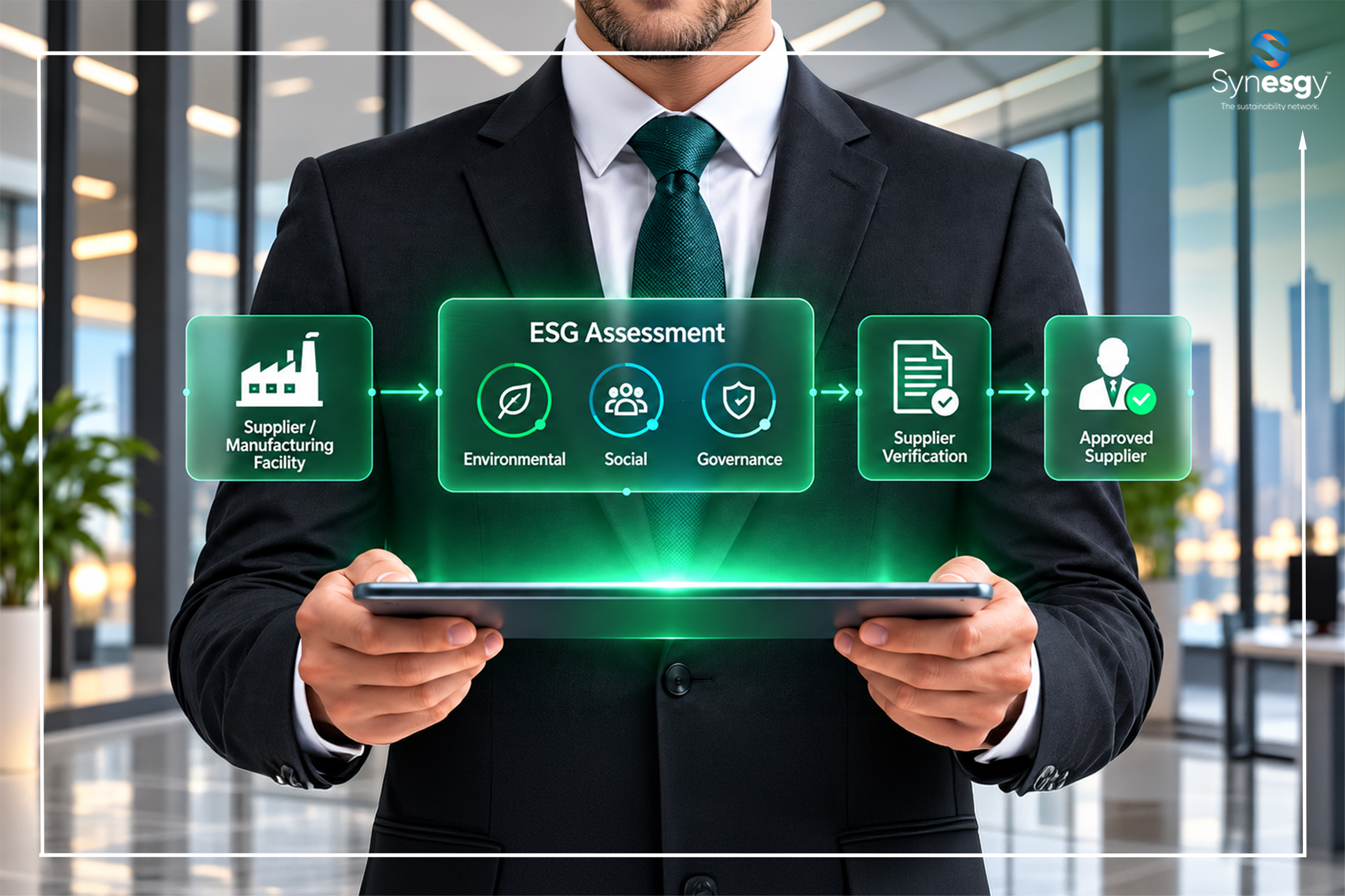
The relevance and extent of supplier information included in a sustainability report will depend on the applicable reporting framework and the company's circumstances. However, from an ESG assessment perspective, supplier practices can provide important information about how environmental and social expectations are managed beyond the company's own operations.
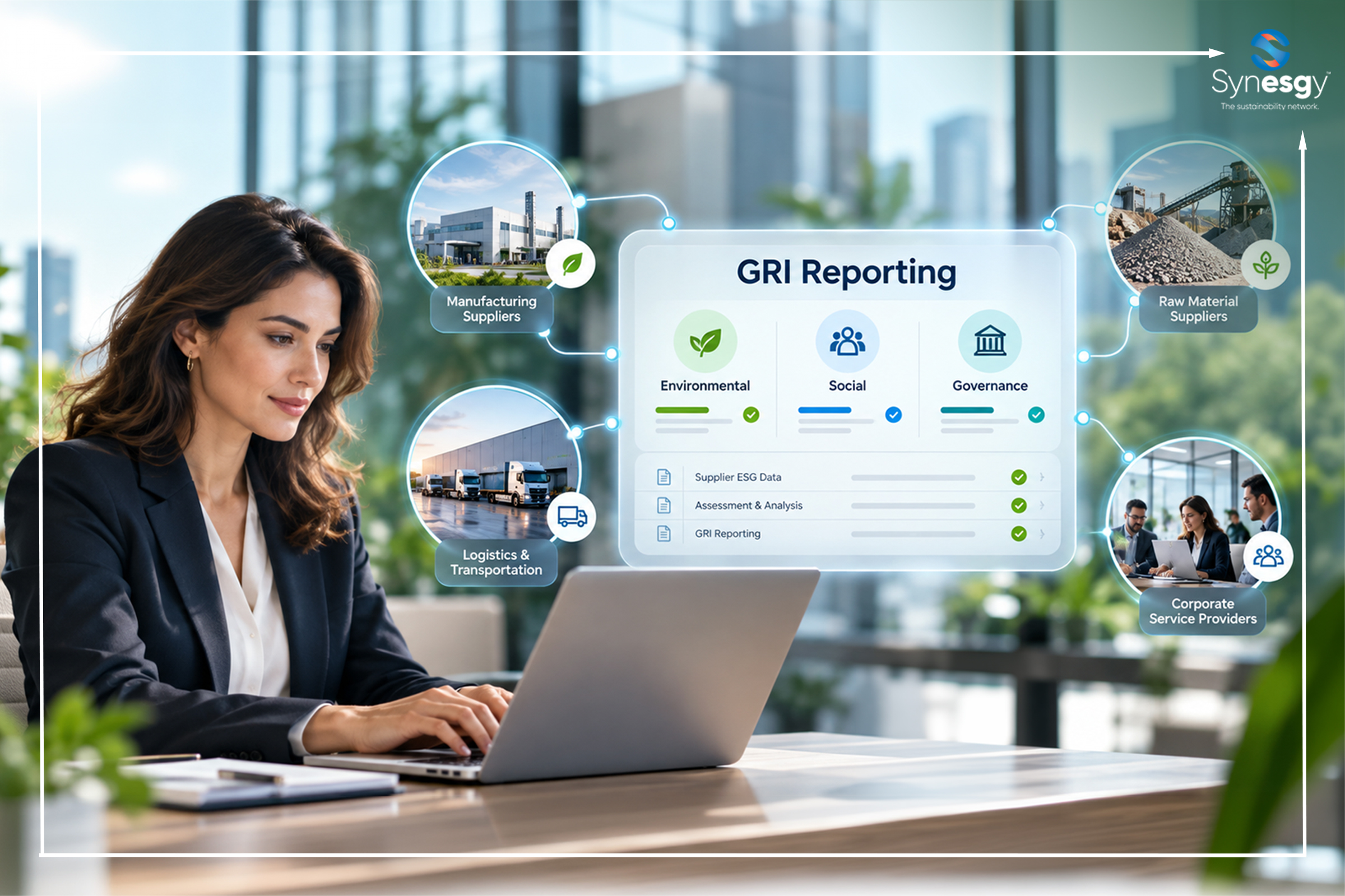
The CRIF Synesgy Ratings methodology examines areas such as:
-
supplier qualification and control procedures
-
environmental and social criteria in supplier assessments
-
human rights, safety and compliance criteria
-
supplier codes of conduct and policies
-
supplier documentation and certifications
-
periodic supplier monitoring
-
scoring and corrective actions for relevant suppliers
Synesgy itself supports both company self-assessment and supply-chain assessment. A Head of Supply Chain can upload suppliers and invite them to participate in the assessment process, providing a structured approach to supplier ESG data collection.
For organisations with significant supply chains, ESG reporting readiness should therefore include a review of what supplier ESG data is available, how consistently it is collected and whether the information can be supported.
Building a Stronger ESG Data Foundation Before Reporting
An ESG sustainability report is ultimately only as useful as the information supporting it.
Before publication, organisations should look beyond whether a reporting document has been completed and examine the underlying ESG data quality. Environmental figures should be considered alongside workforce data, corporate governance, regulatory compliance and relevant supplier ESG data.
A structured ESG assessment and ESG questionnaire can help bring that information together, identify ESG data gaps and establish where additional documentation or verification may be needed.
Synesgy is designed to support companies in measuring and managing sustainability performance through structured ESG assessment. Its approach combines questionnaire-based information across Environmental, Social and Governance areas with verification, scoring and improvement-focused outputs.
By strengthening ESG data collection before reporting begins, companies can build a more organised, evidence-supported foundation for sustainability reporting rather than trying to solve data problems at the final publication stage.
Is Your ESG Data Ready for Sustainability Reporting?
Identify data gaps, assess your ESG performance and uncover improvement opportunities with Synesgy's structured ESG assessment platform.
FAQs
Q: Are water, waste and biodiversity data part of ESG reporting?
A: They can form part of the environmental information considered in sustainability reporting, depending on the applicable reporting framework and the organisation's relevant ESG topics. Within the Synesgy assessment framework, water, biodiversity, waste, resource use and circular economy are explicitly considered alongside energy, emissions and pollution.
Q: Do human rights policies form part of ESG reporting data?
A: Human rights information can contribute to the Social dimension of ESG data. The Synesgy methodology considers human rights, diversity, and health and safety policies when assessing workforce practices, as well as human rights criteria within supplier assessment.
Q: Are anti-corruption policies part of ESG sustainability reporting?
A: Anti-corruption information is relevant to the Governance pillar. CRIF Synesgy Ratings considers anti-corruption arrangements alongside codes of ethics, organisational controls, regulatory compliance, privacy and other governance mechanisms.
Q: Should whistleblowing and compliance information be included in ESG reports?
A: Whether specific disclosures are required depends on the reporting framework being used. From an ESG assessment perspective, whistleblowing mechanisms and regulatory compliance are relevant governance indicators because they provide evidence of the company's controls, ethical conduct, and oversight practices.
Q: Can an ESG questionnaire help prepare data for a sustainability report?
A: Yes, an ESG questionnaire can help structure the collection of sustainability information and identify areas where data or supporting documentation may be incomplete. The Synesgy questionnaire covers sustainability strategy, ESG risk management, employees, energy, GHG emissions, water, waste, biodiversity, policies, certifications, compliance, and other ESG areas. However, the questionnaire should be viewed as a structured assessment and data-collection tool, not as a substitute for the specific requirements of the reporting framework a company follows.