Buyers increasingly require suppliers to provide ESG data as part of qualification, contract renewal, and ongoing vendor management, yet many suppliers are unprepared when the request arrives. This creates delays, incomplete submissions, and friction in what should be a straightforward part of procurement sustainability. Meeting supplier ESG requirements is not just a compliance step, it is now a core part of supplier onboarding and long-term vendor relationships. This guide explains what suppliers need to prepare, why buyers ask for this information, and how procurement teams can build a process that makes ESG readiness easier for everyone involved.
What ESG Requirements Do Suppliers Need to Meet?
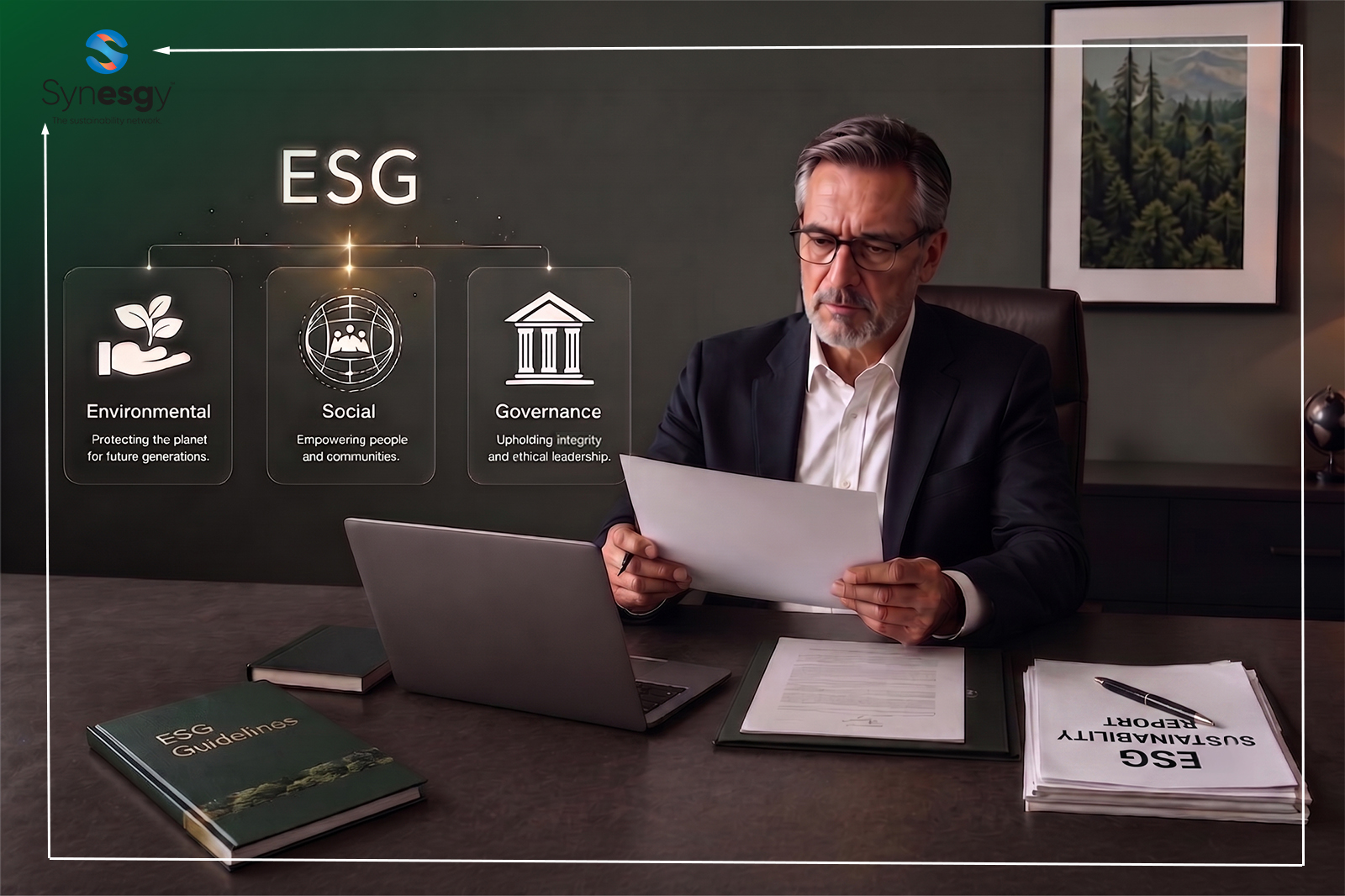
Supplier ESG requirements typically fall into three categories: documentation, performance data, and governance commitments, and most buyers expect suppliers to provide evidence across all three rather than a single self-declared statement.
Documentation includes ESG policies, relevant certifications, and any prior third-party assessment or audit results the supplier can provide. Performance data covers measurable indicators such as emissions, energy use, waste management, and labor and safety records. Governance commitments include signed codes of conduct, ethics policies, and disclosure of ownership or subcontracting structures where relevant.
Requirements vary by industry and by the size of the buying organization, but suppliers who understand these three categories in advance are far better positioned to respond to a vendor ESG compliance request without scrambling to produce information from scratch.
Why Are Suppliers Asked for ESG Data?
Suppliers are asked for ESG data primarily because buyers need it to complete their own sustainability reporting and manage supply chain risk, particularly around Scope 3 emissions, which fall outside a buyer’s direct operations but within their reporting boundary.
For many large buyers, supplier data is the only way to account for indirect environmental and social impact across the value chain. Without accurate supplier-level data, a buyer’s own ESG reporting is incomplete, which creates regulatory and reputational exposure. This is why ESG data requests are increasingly built into supplier onboarding rather than treated as a one-time or optional exercise.
Why Do Buyers Request ESG Information?
Buyers request ESG information as part of vendor qualification and risk-based decision-making, not only to satisfy reporting obligations. ESG data factors directly into which suppliers get selected, retained, or phased out over time.
This is a distinct driver from reporting. A buyer may already have sufficient data for its own disclosures but still request updated ESG information because it influences procurement risk management, contract renewal decisions, and long-term supplier relationships. Suppliers who treat ESG data requests only as a compliance formality often miss that this information can directly affect their standing as a preferred vendor.
How Do Buyers Evaluate Suppliers?
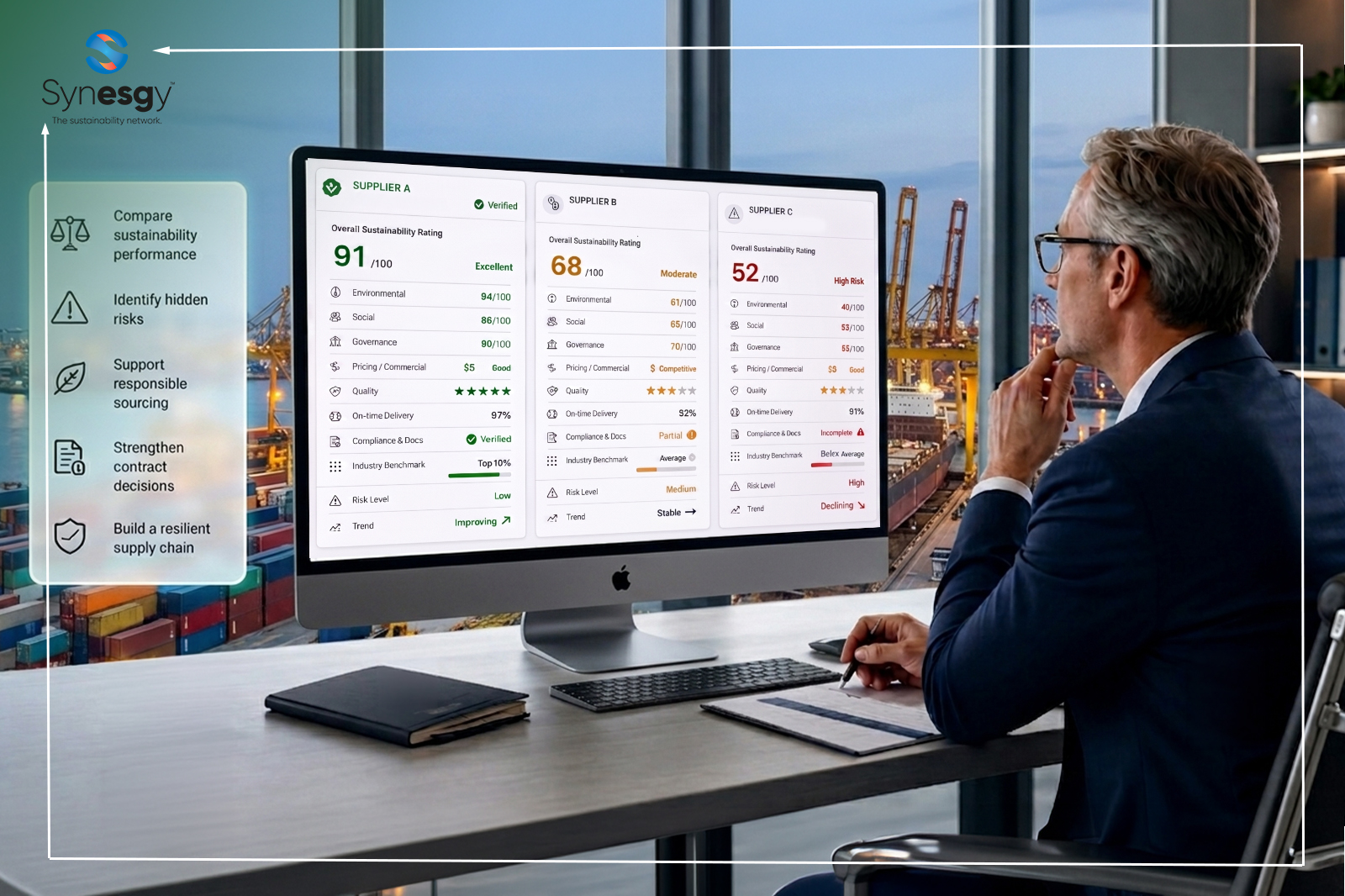
Buyers typically evaluate suppliers through a combination of self-assessment questionnaires, scorecards, and third-party ESG assessment platforms, which convert submitted data into a supplier ESG score or rating used in sourcing decisions.
The evaluation process usually includes:
-
ESG questionnaires, where suppliers self-report on policies, practices, and performance data
-
Supplier scorecards, which weight and track ESG performance alongside cost and quality metrics
-
Third-party ESG assessment, where an independent platform verifies and scores supplier data rather than relying solely on self-reporting
-
Periodic reassessment, since supplier ESG scores are typically reviewed on a recurring cycle rather than only at onboarding
Supplier ESG Assessment vs Supplier ESG Audit
These two terms are often used interchangeably, but they serve different functions in the evaluation process. A supplier ESG assessment is typically ongoing or periodic, conducted through questionnaires or third-party platforms, and produces a score used for vendor comparison and risk flagging. A supplier ESG audit is a more formal, evidence-based review, usually conducted less frequently, that verifies the accuracy of what a supplier has reported rather than simply scoring it. Buyers generally use assessments to monitor suppliers continuously and reserve audits for higher-risk suppliers or contract milestones.
Need help telling which stage your suppliers are at? Ask Synesgy about assessment and audit support for your vendor base.
How Do Suppliers Prepare for ESG Assessments?
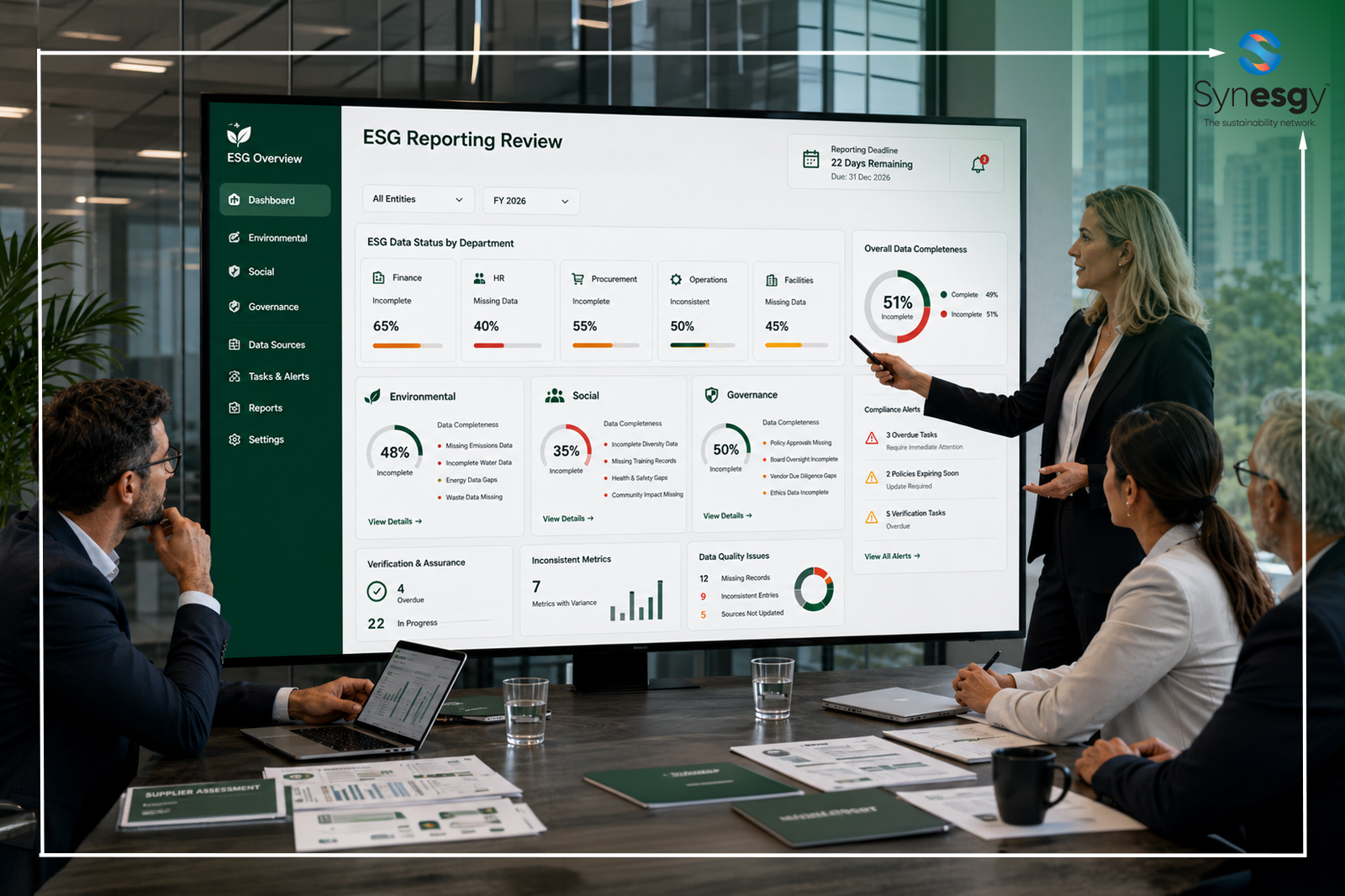
Suppliers prepare for ESG assessments by reviewing the buyer’s requirements in advance, consolidating existing documentation, and closing data gaps before submission rather than responding to each request from scratch.
A practical preparation sequence looks like this:
-
Review the buyer’s ESG questionnaire or requirements before starting to gather information, so effort is targeted rather than generic
-
Gather existing policies, certifications, and performance data already held internally
-
Identify and close data gaps, particularly around emissions or labor data that may not be routinely tracked
-
Assign internal ownership for ESG documentation, so requests do not fall between departments
-
Prepare supporting evidence, not just self-declared claims, since buyers increasingly cross-check submissions
-
Establish a process for ongoing updates, since most buyers expect refreshed data on a recurring basis rather than a single onboarding submission
Suppliers who treat this as a one-time task rather than an ongoing capability tend to fall behind at the next assessment cycle, particularly as buyer requirements become more detailed over time.
What ESG Information Should Suppliers Provide?
Suppliers should provide a combination of environmental, social, and governance data points that reflect actual performance rather than intentions or general commitments.
Typical data expectations include:
-
Environmental: energy consumption, emissions data, waste and water management practices
-
Social: labor practices, worker health and safety records, community impact where relevant
-
Governance: ownership structure, ethics policies, anti-bribery and corruption practices, subcontractor oversight
Buyers generally place more weight on measurable, verifiable data than on broad policy statements, so suppliers who can quantify performance, even partially, tend to score better than those submitting policy documents alone.
What Documents Support ESG Compliance?
The documents that support ESG compliance typically include a signed supplier code of conduct, relevant certifications, prior audit or assessment reports, and any sustainability disclosures the supplier already produces.
Common documents buyers request include:
-
Supplier code of conduct acknowledgment
-
Relevant certifications, such as ISO 14001 for environmental management or ISO 45001 for occupational health and safety, where applicable to the industry
-
Previous third-party ESG assessment or audit reports
-
Sustainability or ESG reports, if the supplier already produces one
-
Contractual ESG clauses signed as part of the vendor agreement
Keeping these documents current and centrally accessible significantly reduces the time needed to respond to new or repeat ESG requirements from different buyers.
How Can Procurement Teams Improve Supplier ESG?
Procurement teams improve supplier ESG outcomes by setting clear expectations upfront, offering support rather than only enforcement, and treating ESG as an ongoing part of the supplier relationship rather than a gate at onboarding.
Practical actions procurement teams can take include:
-
Providing clear, standardized ESG requirements at the start of the sourcing process, rather than introducing them late in negotiations
-
Offering supplier training or guidance, particularly for smaller suppliers who may lack dedicated sustainability resources
-
Building ESG criteria into contracts, so expectations are formalized rather than informal requests
-
Reviewing supplier ESG data on a regular cycle, not only at initial onboarding
-
Using supplier ESG assessment tools to standardize scoring across a large vendor base rather than relying on inconsistent manual reviews
Procurement teams that invest in supplier capacity building, rather than only issuing requirements, tend to see faster and more accurate ESG data over time, along with stronger long-term supplier relationships.
Supplier ESG Readiness Before Onboarding
-
ESG policy or statement available and up to date
-
Relevant certifications on hand (ISO 14001, ISO 45001, or industry-specific equivalents)
-
Emissions, energy, or waste data available in some quantifiable form
-
Labor and safety records documented
-
Signed code of conduct or ethics policy
-
Internal owner assigned for ESG documentation requests
-
Process in place for updating ESG data on a recurring basis, not just at onboarding
Building ESG Readiness Into Supplier Relationships
Preparing suppliers for ESG requirements is not a one-time onboarding task, it is an ongoing part of how procurement teams manage risk, reporting accuracy, and long-term vendor relationships. Buyers benefit from more reliable data, suppliers benefit from clearer expectations, and both sides reduce the friction that comes from treating ESG as a last-minute request rather than a built-in part of the procurement process.
Procurement teams looking to standardize supplier ESG evaluation across a large vendor base can explore Synesgy’s supplier ESG assessment tools to bring consistency and verified data into the process.
FAQs
Q: What happens if a supplier does not meet ESG requirements?
A: Outcomes vary by buyer and industry, but common responses include a corrective action period, conditional approval pending improvement, or exclusion from the vendor shortlist for buyers with strict ESG thresholds.
Q: How long does supplier ESG onboarding take?
A: Timelines depend on how much documentation and data the supplier already has available. Suppliers with existing policies and certifications can often complete onboarding in a few weeks, while those starting from limited data may take several months to gather what is required.
Q: Do small suppliers need to meet the same ESG requirements as large vendors?
A: Requirements are often scaled by supplier size and risk level, with smaller suppliers facing a reduced set of core requirements rather than the full scope expected of large or high-risk vendors.
Q: How often should supplier ESG data be reviewed?
A: Most buyers review supplier ESG data on an annual basis, though higher-risk suppliers or those tied to regulatory reporting obligations may be reviewed more frequently.
Q: Can procurement teams help suppliers who lack ESG data?
A: Yes, procurement teams can support suppliers through guidance, training, or phased requirements, allowing suppliers to build ESG data capability over time rather than being excluded outright for lacking a complete history.
Talk to a Synesgy ESG Specialist.
E-mail: info.me@crif.com